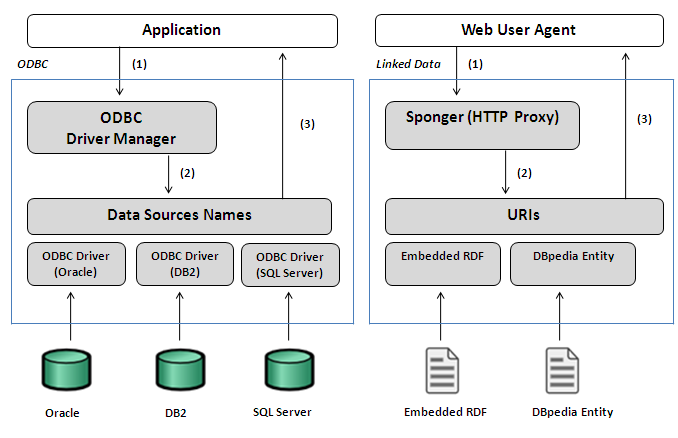
<?xml version="1.0" encoding="UTF-8" ?>
<!--RDF based XML document generated By OpenLink Virtuoso-->
<rdf:RDF xmlns:rdf="http://www.w3.org/1999/02/22-rdf-syntax-ns#">
 <rss:channel xmlns:rss="http://purl.org/rss/1.0/" rdf:about="http://www.openlinksw.com:443/blog/kidehen@openlinksw.com/blog/">
  <rss:title>Kingsley Idehen&#39;s Blog Data Space</rss:title>
  <rss:link>http://www.openlinksw.com:443/blog/kidehen@openlinksw.com/blog/</rss:link>
  <rss:description>I have seen the future and it&#39;s full of Linked Data! :-)</rss:description>
  <dc:creator xmlns:dc="http://purl.org/dc/elements/1.1/">kidehen@openlinksw.com</dc:creator>
  <dc:date xmlns:dc="http://purl.org/dc/elements/1.1/">2026-04-18T02:26:06Z</dc:date>
  <rss:items>
   <rdf:Seq>
      <rdf:li rdf:resource="http://www.openlinksw.com:443/blog/kidehen@openlinksw.com/blog/?date=2010-02-17#1608" />
      <rdf:li rdf:resource="http://www.openlinksw.com:443/blog/kidehen@openlinksw.com/blog/?date=2010-01-31#1591" />
      <rdf:li rdf:resource="http://www.openlinksw.com:443/blog/kidehen@openlinksw.com/blog/?date=2009-01-27#1520" />
      <rdf:li rdf:resource="http://www.openlinksw.com:443/blog/kidehen@openlinksw.com/blog/?date=2009-01-24#1519" />
      <rdf:li rdf:resource="http://www.openlinksw.com:443/blog/kidehen@openlinksw.com/blog/?date=2008-11-28#1489" />
      <rdf:li rdf:resource="http://www.openlinksw.com:443/blog/kidehen@openlinksw.com/blog/?date=2008-10-01#1447" />
      <rdf:li rdf:resource="http://www.openlinksw.com:443/blog/kidehen@openlinksw.com/blog/?date=2008-08-27#1424" />
      <rdf:li rdf:resource="http://www.openlinksw.com:443/blog/kidehen@openlinksw.com/blog/?date=2008-06-26#1391" />
      <rdf:li rdf:resource="http://www.openlinksw.com:443/blog/kidehen@openlinksw.com/blog/?date=2008-05-20#1364" />
      <rdf:li rdf:resource="http://www.openlinksw.com:443/blog/kidehen@openlinksw.com/blog/?date=2008-04-10#1334" />
      <rdf:li rdf:resource="http://www.openlinksw.com:443/blog/kidehen@openlinksw.com/blog/?date=2008-02-16#1317" />
      <rdf:li rdf:resource="http://www.openlinksw.com:443/blog/kidehen@openlinksw.com/blog/?date=2008-01-17#1298" />
      <rdf:li rdf:resource="http://www.openlinksw.com:443/blog/kidehen@openlinksw.com/blog/?date=2006-05-26#986" />
      <rdf:li rdf:resource="http://www.openlinksw.com:443/blog/kidehen@openlinksw.com/blog/?date=2006-05-26#985" />
      <rdf:li rdf:resource="http://www.openlinksw.com:443/blog/kidehen@openlinksw.com/blog/?date=2006-05-26#984" />
      <rdf:li rdf:resource="http://www.openlinksw.com:443/blog/kidehen@openlinksw.com/blog/?date=2006-05-26#983" />
      <rdf:li rdf:resource="http://www.openlinksw.com:443/blog/kidehen@openlinksw.com/blog/?date=2006-05-26#982" />
   </rdf:Seq>
  </rss:items>
 </rss:channel>
 <rss:item xmlns:rss="http://purl.org/rss/1.0/" rdf:about="http://www.openlinksw.com:443/blog/kidehen@openlinksw.com/blog/?date=2010-02-17#1608">
  <rss:title>Re-introducing the Virtuoso Virtual Database Engine </rss:title>
  <dc:date xmlns:dc="http://purl.org/dc/elements/1.1/">2010-02-17T21:38:01Z</dc:date>
  <dc:description xmlns:dc="http://purl.org/dc/elements/1.1/">In recent times a lot of the commentary and focus re. Virtuoso has centered on the RDF Quad Store and Linked Data. What sometimes gets overlooked is the sophisticated Virtual Database Engine that provides the foundation for all of Virtuoso&#39;s data integration capabilities. In this post I provide a brief re-introduction to this essential aspect of Virtuoso. What is it? This component of Virtuoso is known as the Virtual Database Engine (VDBMS). It provides transparent high-performance and secure access to disparate data sources that are external to Virtuoso. It enables federated access and integration of data hosted by any ODBC- or JDBC-accessible RDBMS, RDF Store, XML database, or Document (Free Text)-oriented Content Management System. In addition, it facilitates integration with Web Services (SOAP-based SOA RPCs or REST-fully accessible Web Resources). Why is it important? In the most basic sense, you shouldn&#39;t need to upgrade your existing database engine version simply because your current DBMS and Data Access Driver combo isn&#39;t compatible with ODBC-compliant desktop tools such as Microsoft Access, Crystal Reports, BusinessObjects, Impromptu, or other of ODBC, JDBC, ADO.NET, or OLE DB-compliant applications. Simply place Virtuoso in front of your so-called &quot;legacy database,&quot; and let it deliver the compliance levels sought by these tools In addition, it&#39;s important to note that today&#39;s enterprise, through application evolution, company mergers, or acquisitions, is often faced with disparately-structured data residing in any number of line-of-business-oriented data silos. Compounding the problem is the exponential growth of user-generated data via new social media-oriented collaboration tools and platforms. For companies to cost-effectively harness the opportunities accorded by the increasing intersection between line-of-business applications and social media, virtualization of data silos must be achieved, and this virtualization must be delivered in a manner that doesn&#39;t prohibitively compromise performance or completely undermine security at either the enterprise or personal level. Again, this is what you get by simply installing Virtuoso. How do I use it? The VDBMS may be used in a variety of ways, depending on the data access and integration task at hand. Examples include: Relational Database Federation You can make a single ODBC, JDBC, ADO.NET, OLE DB, or XMLA connection to multiple ODBC- or JDBC-accessible RDBMS data sources, concurrently, with the ability to perform intelligent distributed joins against externally-hosted database tables. For instance, you can join internal human resources data against internal sales and external stock market data, even when the HR team uses Oracle, the Sales team uses Informix, and the Stock Market figures come from Ingres! Conceptual Level Data Access using the RDF Model You can construct RDF Model-based Conceptual Views atop Relational Data Sources. This is about generating HTTP-based Entity-Attribute-Value (E-A-V) graphs using data culled &quot;on the fly&quot; from native or external data sources (Relational Tables/Views, XML-based Web Services, or User Defined Types). You can also derive RDF Model-based Conceptual Views from Web Resource transformations &quot;on the fly&quot; -- the Virtuoso Sponger (RDFizing middleware component) enables you to generate RDF Model Linked Data via a RESTful Web Service or within the process pipeline of the SPARQL query engine (i.e., you simply use the URL of a Web Resource in the FROM clause of a SPARQL query). It&#39;s important to note that Views take the form of HTTP links that serve as both Data Source Names and Data Source Addresses. This enables you to query and explore relationships across entities (i.e., People, Places, and other Real World Things) via HTTP clients (e.g., Web Browsers) or directly via SPARQL Query Language constructs transmitted over HTTP. Conceptual Level Data Access using ADO.NET Entity Frameworks As an alternative to RDF, Virtuoso can expose ADO.NET Entity Frameworks-based Conceptual Views over Relational Data Sources. It achieves this by generating Entity Relationship graphs via its native ADO.NET Provider, exposing all externally attached ODBC- and JDBC-accessible data sources. In addition, the ADO.NET Provider supports direct access to Virtuoso&#39;s native RDF database engine, eliminating the need for resource intensive Entity Frameworks model transformations. Related Attaching ODBC or JDBC accessible Relational Tables to Virtuoso Using an HTML based Wizard to Generate RDF based Linked Views over Relational Tables Screencast Demonstrating Wizard based generation of RDF based Linked Data Views Part 1 Screencast Demonstrating Wizard based generation of RDF based Linked Data Views Part 1 Generating RDF based Linked Data from non RDF based Web Resources via the Sponger Building ADO.NET based Entity Frameworks Views over Relational Data Building Silverlight Rich Internat Applicaitons using ADO.NET, Entity Frameworks, and RDF based Linked Data.</dc:description>
  <content:encoded xmlns:content="http://purl.org/rss/1.0/modules/content/"><![CDATA[<p>In recent times a lot of the commentary and focus re. <a href="http://virtuoso.openlinksw.com" id="link-id16a22f48">Virtuoso</a> has centered on the RDF Quad Store and <a href="http://dbpedia.org/resource/Linked_Data" id="link-id112d82a0">Linked Data</a>. What sometimes gets overlooked is the sophisticated <a href="http://dbpedia.org/resource/Virtual_Database" id="link-id6493cc8">Virtual Database</a> Engine that provides the foundation for all of Virtuoso&#39;s <a href="http://dbpedia.org/resource/Data">data</a> integration capabilities.</p>

<p>In this post I provide a brief re-introduction to this essential aspect of Virtuoso.</p>

<h3>What is it?</h3>

<p>This component of Virtuoso is known as the Virtual Database Engine (VDBMS). It provides transparent high-performance and secure access to disparate data sources that are external to Virtuoso. It enables federated access and integration of data hosted by any <a href="http://dbpedia.org/resource/Open_Database_Connectivity" id="link-id13c26008">ODBC</a>- or <a href="http://dbpedia.org/resource/Java_Database_Connectivity" id="link-id166604c0">JDBC</a>-accessible <a href="http://dbpedia.org/resource/Relational_database_management_system" id="link-id139dfdb8">RDBMS</a>, RDF Store, XML database, or Document (Free Text)-oriented Content Management System. In addition, it facilitates integration with <a href="http://dbpedia.org/resource/World_Wide_Web">Web</a> Services (SOAP-based SOA RPCs or REST-fully accessible Web Resources). </p>

<h3>Why is it important?</h3>

<p>In the most basic sense, you shouldn&#39;t need to upgrade your existing database engine version simply because your current DBMS and Data Access Driver combo isn&#39;t compatible with ODBC-compliant desktop tools such as Microsoft Access, Crystal Reports, BusinessObjects, Impromptu, or other of ODBC, JDBC, <a href="http://dbpedia.org/resource/ADO.NET" id="link-id13c7ceb8">ADO</a>.NET, or OLE DB-compliant applications. Simply place Virtuoso in front of your so-called &quot;legacy database,&quot; and let it deliver the compliance levels sought by these tools</p>

<p>In addition, it&#39;s important to note that today&#39;s enterprise, through application evolution, company mergers, or acquisitions, is often faced with disparately-structured data residing in any number of line-of-business-oriented data silos. Compounding the problem is the exponential growth of user-generated data via new social media-oriented collaboration tools and platforms. For companies to cost-effectively harness the opportunities accorded by the increasing intersection between line-of-business applications and social media, virtualization of data silos must be achieved, and this virtualization must be delivered in a manner that doesn&#39;t prohibitively compromise performance or completely undermine security at either the enterprise or personal level. Again, this is what you get by simply installing Virtuoso.</p>


<h3>How do I use it?</h3>

<p>The VDBMS may be used in a variety of ways, depending on the data access and integration task at hand. Examples include: </p>

<h4>Relational Database Federation</h4>

<p>You can make a single ODBC, JDBC, ADO.NET, OLE DB, or XMLA connection to multiple ODBC- or JDBC-accessible RDBMS data sources, concurrently, with the ability to perform intelligent distributed joins against externally-hosted database tables.  For instance, you can join internal human resources data against internal sales and external stock market data, even when the HR team uses <a href="http://dbpedia.org/resource/Oracle_Database" id="link-id16706720">Oracle</a>, the Sales team uses <a href="http://dbpedia.org/resource/IBM_Informix" id="link-ide5a15c8">Informix</a>, and the Stock Market figures come from <a href="http://dbpedia.org/resource/Ingres" id="link-id13c0e138">Ingres</a>!</p>

<h4>Conceptual Level Data Access using the RDF Model</h4>

<p>You can construct RDF Model-based Conceptual Views atop Relational Data Sources. This is about generating HTTP-based <a href="http://dbpedia.org/resource/Entity-attribute-value_model" id="link-id115150f8">Entity</a>-Attribute-Value (E-A-V) graphs using data culled &quot;on the fly&quot; from native or external data sources (Relational Tables/Views, XML-based Web Services, or User Defined Types).</p>

<p>You can also derive RDF Model-based Conceptual Views from Web Resource transformations &quot;on the fly&quot; -- the Virtuoso <a href="http://virtuoso.openlinksw.com/Whitepapers/html/VirtSpongerWhitePaper.html" id="link-id1675db50">Sponger</a> (RDFizing middleware component) enables you to generate RDF Model Linked Data via a RESTful Web Service or within the process pipeline of the <a href="http://dbpedia.org/resource/SPARQL" id="link-id166b8d90">SPARQL</a> query engine (i.e., you simply use the <a href="http://dbpedia.org/resource/Uniform_Resource_Locator" id="link-id167d00c8">URL</a> of a Web Resource in the FROM clause of a SPARQL query).</p>

<p>It&#39;s important to note that Views take the form of HTTP links that serve as both Data Source Names and Data Source Addresses. This enables you to query and explore relationships across entities (i.e., People, Places, and other Real World Things) via HTTP clients (e.g., Web Browsers) or directly via SPARQL Query Language constructs transmitted over HTTP.</p>

<h4>Conceptual Level Data Access using ADO.NET <a href="http://dbpedia.org/resource/Entity" id="link-id13c6bb60">Entity</a> <a href="http://dbpedia.org/resource/ADO.NET_Entity_Framework" id="link-id16ad3f68">Frameworks</a>
</h4>

<p>As an alternative to RDF, Virtuoso can expose ADO.NET Entity Frameworks-based Conceptual Views over Relational Data Sources. It achieves this by generating Entity Relationship graphs via its native ADO.NET Provider, exposing all externally attached ODBC- and JDBC-accessible data sources. In addition, the ADO.NET Provider supports direct access to Virtuoso&#39;s native RDF database engine, eliminating the need for resource intensive Entity Frameworks model transformations.</p>

<h3>Related</h3>

<ul>
  <li>
  <a href="http://virtuoso.openlinksw.com/dataspace/dav/wiki/Main/VirtLinkRemoteTables" id="link-id1183acd8">Attaching ODBC or JDBC accessible Relational Tables to Virtuoso</a>
</li>
  <li>
  <a href="http://virtuoso.openlinksw.com/dataspace/dav/wiki/Main/VirtRdb2RDFViewsGeneration#One-Click%20Linked%20Data%20Generation%20&amp;%20Deployment" id="link-id113f2fd8">Using an HTML based Wizard to Generate RDF based Linked Views over Relational Tables</a>
</li>
  <li>
  <a href="http://www.youtube.com/watch?v=bj7AbJ0ZYCk&amp;feature=channel" id="link-id16ad4480">Screencast Demonstrating Wizard based generation of RDF based Linked Data Views Part 1</a>
</li>
  <li>
  <a href="http://www.youtube.com/watch?v=yXNlcISS0aY&amp;feature=channel" id="link-id114eb720">Screencast Demonstrating Wizard based generation of RDF based Linked Data Views Part 1</a>
</li>
  <li>
  <a href="http://virtuoso.openlinksw.com/dataspace/dav/wiki/Main/VirtSponger" id="link-id116e5810">Generating RDF based Linked Data from non RDF based Web Resources via the Sponger</a>
</li>
  <li>
  <a href="http://virtuoso.openlinksw.com/dataspace/dav/wiki/Main/VirtAdoNet35Provider" id="link-id16706118">Building ADO.NET based Entity Frameworks Views over Relational Data</a>
</li>
  <li>
  <a href="http://virtuoso.openlinksw.com/dataspace/dav/wiki/Main/VirtSilverlightSPARQLExample" id="link-id139c1278">Building Silverlight Rich Internat Applicaitons using ADO.NET, Entity Frameworks, and RDF based Linked Data</a>.</li>
</ul>

]]></content:encoded>
 </rss:item>
 <rss:item xmlns:rss="http://purl.org/rss/1.0/" rdf:about="http://www.openlinksw.com:443/blog/kidehen@openlinksw.com/blog/?date=2010-01-31#1591">
  <rss:title>5 Very Important Things to Note about HTTP based Linked Data</rss:title>
  <dc:date xmlns:dc="http://purl.org/dc/elements/1.1/">2010-01-31T22:31:35Z</dc:date>
  <dc:description xmlns:dc="http://purl.org/dc/elements/1.1/">It isn&#39;t World Wide Web Specific (HTTP != World Wide Web) It isn&#39;t Open Data Specific It isn&#39;t about &quot;Free&quot; (Beer or Speech) It isn&#39;t about Markup (so don&#39;t expect to grok it via &quot;markup first&quot; approach) It&#39;s about Hyperdata - the use of HTTP and REST to deliver a powerful platform agnostic mechanism for Data Reference, Access, and Integration. When trying to understand HTTP based Linked Data, especially if you&#39;re well versed in DBMS technology use (User, Power User, Architect, Analyst, DBA, or Programmer) think: Open Database Connectivity (ODBC) without operating system, data model, or wire-protocol specificity or lock-in potential Java Database Connectivity (JDBC) without programming language specificity ADO.NET without .NET runtime specificity and .NET bound language specificity OLE-DB without Windows operating system &amp; programming language specificity XMLA without XML format specificity - with Tabular and Multidimensional results formats expressible in a variety of data representation formats. All of the above scoped to the Record rather than Container level, with Generic HTTP scheme URIs associated with each Record, Field, and Field value (optionally) Remember the need for Data Access &amp; Integration technology is the by product of the following realities: Human curated data is ultimately dirty, because: our thick thumbs, inattention, distractions, and general discomfort with typing, make typos prevalent database engines exist for a variety of data models - Graph, Relational, Hierarchical; within databases you have different record container/partition names e.g. Table Names; within a database record container you have records that are really aspects of the same thing (different keys exist in a plethora of operational / line of business systems that expose aspects of the same entity e.g., customer data that spans Accounts, CRM, ERP application databases); different field names (one database has &quot;EMP&quot; while another has &quot;Employee&quot;) for the same record. Units of measurement is driven by locale, the UK office wants to see sales in Pounds Sterling while the French office prefers Euros etc. All of the above is subject to context halos which can be quite granular re. sensitivity e.g. staff travel between locations that alter locales and their roles; basically, profiles matters a lot. Related ODBC and WODBC (Web Open Database Connectivity) Comparison Creating, Deploying, and Exploiting Linked Data Presentation Open Data Protocol Project</dc:description>
  <content:encoded xmlns:content="http://purl.org/rss/1.0/modules/content/"><![CDATA[
 <ol> <li> It isn&#39;t <a href="http://dbpedia.org/resource/World_Wide_Web" id="link-id115dfd68">World Wide Web</a> Specific (HTTP != World Wide Web)</li> <li> It isn&#39;t Open <a href="http://dbpedia.org/resource/Data">Data</a> Specific </li> <li> It isn&#39;t about &quot;Free&quot; (Beer or Speech) </li> <li> It isn&#39;t about Markup (so don&#39;t expect to grok it via &quot;markup first&quot; approach) </li> <li>It&#39;s about <a href="http://dbpedia.org/resource/Linked_Data" id="link-id13a6aa98">Hyperdata</a> - the use of HTTP and REST to deliver a powerful platform agnostic mechanism for Data Reference, Access, and Integration.</li> </ol>   <p> When trying to understand HTTP based <a href="http://dbpedia.org/resource/Linked_Data" id="link-id18aa1490">Linked Data</a>, especially if you&#39;re well versed in DBMS technology use (User, Power User, Architect, Analyst, DBA, or Programmer) think: <br />
</p> <ul> <li> Open Database Connectivity (<a href="http://dbpedia.org/resource/Open_Database_Connectivity" id="link-id1428fba0">ODBC</a>) without operating system, data model, or wire-protocol specificity or lock-in potential </li> <li> Java Database Connectivity (<a href="http://dbpedia.org/resource/Java_Database_Connectivity" id="link-id18d3c2a8">JDBC</a>) without programming language specificity </li> <li> <a href="http://dbpedia.org/resource/ADO.NET" id="link-id125725b8">ADO</a>.NET without .NET runtime specificity and .NET bound language specificity </li> <li> OLE-DB without Windows operating system &amp; programming language specificity  </li> <li> XMLA without XML format specificity - with Tabular and Multidimensional results formats expressible in a variety of data representation formats. </li> <li>All of the above scoped to the Record rather than Container level, with Generic HTTP scheme URIs associated with each Record, Field, and Field value (optionally)  </li> </ul>  <p>Remember the need for Data Access &amp; Integration technology is the by product of the following realities:</p> <ol> <li> Human curated data is ultimately dirty, because:    <ul>     <li>our thick thumbs, inattention, distractions, and general discomfort with typing, make typos prevalent</li> <li>database engines exist for a variety of data models - Graph, Relational, Hierarchical;</li>    <li>within databases you have different record container/partition names e.g. Table Names;</li>    <li>within a database record container you have records that are really aspects of the same thing (different keys exist in a plethora of operational / line of business systems that expose aspects of the same <a href="http://dbpedia.org/resource/Entity" id="link-id13378338">entity</a> e.g., customer data that spans Accounts, CRM, ERP application databases);</li>    <li>different field names (one database has &quot;EMP&quot; while another has &quot;Employee&quot;) for the same record</li>.</ul>  </li> <li>Units of measurement is driven by locale, the UK office wants to see sales in Pounds Sterling while the French office prefers Euros etc.</li> <li>All of the above is subject to <a href="http://dbpedia.org/resource/Context_%28language_use%29" id="link-id17e46398">context</a> halos which can be quite granular re. sensitivity e.g. staff travel between locations that alter locales and their roles; basically, profiles matters a lot.</li> </ol> <h3>Related</h3> <ul> <li>   <a href="http://www.openlinksw.com/dataspace/kidehen@openlinksw.com/weblog/kidehen@openlinksw.com%27s%20BLOG%20%5B127%5D/1364" id="link-id128f0fe8">ODBC and WODBC (Web Open Database Connectivity) Comparison</a> </li> <li>   <a href="http://www.openlinksw.com/dataspace/kidehen@openlinksw.com/weblog/kidehen@openlinksw.com%27s%20BLOG%20%5B127%5D/1364" id="link-id1367cd18">Creating, Deploying, and Exploiting Linked Data Presentation</a> </li> <li>   <a href="http://www.odata.org/" id="link-id122ab708">Open Data Protocol Project</a> </li> </ul>
]]></content:encoded>
 </rss:item>
 <rss:item xmlns:rss="http://purl.org/rss/1.0/" rdf:about="http://www.openlinksw.com:443/blog/kidehen@openlinksw.com/blog/?date=2009-01-27#1520">
  <rss:title>Time for RDBMS Primacy Downgrade is Nigh! (No Embedded Images Edition - Update 1)</rss:title>
  <dc:date xmlns:dc="http://purl.org/dc/elements/1.1/">2009-01-27T19:19:44Z</dc:date>
  <dc:description xmlns:dc="http://purl.org/dc/elements/1.1/">As the world works it way through a &quot;once in a generation&quot; economic crisis, the long overdue downgrade of the RDBMS, from its pivotal position at the apex of the data access and data management pyramid is nigh. What is the Data Access, and Data Management Value Pyramid? As depicted below, a top-down view of the data access and data management value chain. The term: apex, simply indicates value primacy, which takes the form of a data access API based entry point into a DBMS realm -- aligned to an underlying data model. Examples of data access APIs include: Native Call Level Interfaces (CLIs), ODBC, JDBC, ADO.NET, OLE-DB, XMLA, and Web Services. See: AVF Pyramid Diagram. The degree to which ad-hoc views of data managed by a DBMS can be produced and dispatched to relevant data consumers (e.g. people), without compromising concurrency, data durability, and security, collectively determine the &quot;Agility Value Factor&quot; (AVF) of a given DBMS. Remember, agility as the cornerstone of environmental adaptation is as old as the concept of evolution, and intrinsic to all pursuits of primacy. In simpler business oriented terms, look at AVF as the degree to which DBMS technology affects the ability to effectively implement &quot;Market Leadership Discipline&quot; along the following pathways: innovation, operation excellence, or customer intimacy. Why has RDBMS Primacy has Endured? Historically, at least since the late &#39;80s, the RDBMS genre of DBMS has consistently offered the highest AVF relative to other DBMS genres en route to primacy within the value pyramid. The desire to improve on paper reports and spreadsheets is basically what DBMS technology has fundamentally addressed to date, even though conceptual level interaction with data has never been its forte. See: RDBMS Primacy Diagram. For more then 10 years -- at the very least -- limitations of the traditional RDBMS in the realm of conceptual level interaction with data across diverse data sources and schemas (enterprise, Web, and Internet) has been crystal clear to many RDBMS technology practitioners, as indicated by some of the quotes excerpted below: &quot;Future of Database Research is excellent, but what is the future of data?&quot; &quot;..it is hard for me to disagree with the conclusions in this report. It captures exactly the right thoughts, and should be a must read for everyone involved in the area of databases and database research in particular.&quot; -- Dr. Anant Jingran, CTO, IBM Information Management Systems, commenting on the 2007 RDBMS technology retreat attended by a number of key DBMS technology pioneers and researchers. &quot;One size fits all: A concept whose time has come and gone They are direct descendants of System R and Ingres and were architected more than 25 years ago They are advocating &quot;one size fits all&quot;; i.e. a single engine that solves all DBMS needs. -- Prof. Michael Stonebreaker, one of the founding fathers of the RDBMS industry. Until this point in time, the requisite confluence of &quot;circumstantial pain&quot; and &quot;open standards&quot; based technology required to enable an objective &quot;compare and contrast&quot; of RDBMS engine virtues and viable alternatives hasn&#39;t occurred. Thus, the RDBMS has endured it position of primacy albeit on a &quot;one size fits all basis&quot;. Circumstantial Pain As mentioned earlier, we are in the midst of an economic crisis that is ultimately about a consistent inability to connect dots across a substrate of interlinked data sources that transcend traditional data access boundaries with high doses of schematic heterogeneity. Ironically, in a era of the dot-com, we haven&#39;t been able to make meaningful connections between relevant &quot;real-world things&quot; that extend beyond primitive data hosted database tables and content management style document containers; we&#39;ve struggled to achieve this in the most basic sense, let alone evolve our ability to connect inline with the exponential rate at which the Internet &amp; Web are spawning &quot;universes of discourse&quot; (data spaces) that emanate from user activity (within the enterprise and across the Internet &amp; Web). In a nutshell, we haven&#39;t been able to upgrade our interaction with data such that &quot;conceptual models&quot; and resulting &quot;context lenses&quot; (or facets) become concrete; by this I mean: real-world entity interaction making its way into the computer realm as opposed to the impedance we all suffer today when we transition from conceptual model interaction (real-world) to logical model interaction (when dealing with RDBMS based data access and data management). Here are some simple examples of what I can only best describe as: &quot;critical dots unconnected&quot;, resulting from an inability to interact with data conceptually: Government (Globally) - Financial regulatory bodies couldn&#39;t effectively discern that a Credit Default Swap is an Insurance policy in all but literal name. And in not doing so the cost of an unregulated insurance policy laid the foundation for exacerbating the toxicity of fatally flawed mortgage backed securities. Put simply: a flawed insurance policy was the fallback on a toxic security that financiers found exotic based on superficial packaging. Enterprises - Banks still don&#39;t understand that capital really does exists in tangible and intangible forms; with the intangible being the variant that is inherently dynamic. For example, a tech companies intellectual capital far exceeds the value of fixture, fittings, and buildings, but you be amazed to find that in most cases this vital asset has not significant value when banks get down to the nitty gritty of debt collateral; instead, a buffer of flawed securitization has occurred atop a borderline static asset class covering the aforementioned buildings, fixtures, and fittings. In the general enterprise arena, IT executives continued to &quot;rip and replace&quot; existing technology without ever effectively addressing the timeless inability to connect data across disparate data silos generated by internal enterprise applications, let alone the broader need to mesh data from the inside with external data sources. No correlations made between the growth of buzzwords and the compounding nature of data integration challenges. It&#39;s 2009 and only a miniscule number of executives dare fantasize about being anywhere within distance of the: relevant information at your fingertips vision. Looking more holistically at data interaction in general, whether you interact with data in the enterprise space (i.e., at work) or on the Internet or Web, you ultimately are delving into a mishmash of disparate computer systems, applications, service (Web or SOA), and databases (of the RDBMS variety in a majority of cases) associated with a plethora of disparate schemas. Yes, but even today &quot;rip and replace&quot; is still the norm pushed by most vendors; pitting one mono culture against another as exemplified by irrelevances such as: FOSS/LAMP vs Commercial or Web vs. Enterprise, when none of this matters if the data access and integration issues are recognized let alone addressed (see: Applications are Like Fish and Data Like Wine). Like the current credit-crunch, exponential growth of data originating from disparate application databases and associated schemas, within shrinking processing time frames, has triggered a rethinking of what defines data access and data management value today en route to an inevitable RDBMS downgrade within the value pyramid. Technology There have been many attempts to address real-world modeling requirements across the broader DBMS community from Object Databases to Object-Relational Databases, and more recently the emergence of simple Entity-Attribute-Value model DBMS engines. In all cases failure has come down to the existence of one or more of the following deficiencies, across each potential alternative: Query language standardization - nothing close to SQL standardization Data Access API standardization - nothing close to ODBC, JDBC, OLE-DB, or ADO.NET Wire protocol standardization - nothing close to HTTP Distributed Identity infrastructure - nothing close to the non-repudiatable digital Identity that foaf+ssl accords Use of Identifiers as network based pointers to data sources - nothing close to RDF based Linked Data Negotiable data representation - nothing close to Mime and HTTP based Content Negotiation Scalability especially in the era of Internet &amp; Web scale. Entity-Attribute-Value with Classes &amp; Relationships (EAV/CR) data models A common characteristic shared by all post-relational DBMS management systems (from Object Relational to pure Object) is an orientation towards variations of EAV/CR based data models. Unfortunately, all efforts in the EAV/CR realm have typically suffered from at least one of the deficiencies listed above. In addition, the same &quot;one DBMS model fits all&quot; approach that lies at the heart of the RDBMS downgrade also exists in the EAV/CR realm. What Comes Next? The RDBMS is not going away (ever), but its era of primacy -- by virtue of its placement at the apex of the data access and data management value pyramid -- is over! I make this bold claim for the following reasons: The Internet aided &quot;Global Village&quot; has brought &quot;Open World&quot; vs &quot;Closed World&quot; assumption issues to the fore e.g., the current global economic crisis remains centered on the inability to connect dots across &quot;Open World&quot; and &quot;Closed World&quot; data frontiers Entity-Attribute-Value with Classes &amp; Relationships (EAV/CR) based DBMS models are more effective when dealing with disparate data associated with disparate schemas, across disparate DBMS engines, host operating systems, and networks. Based on the above, it is crystal clear that a different kind of DBMS -- one with higher AVF relative to the RDBMS -- needs to sit atop today&#39;s data access and data management value pyramid. The characteristics of this DBMS must include the following: Every item of data (Datum/Entity/Object/Resource) has Identity Identity is achieved via Identifiers that aren&#39;t locked at the DBMS, OS, Network, or Application levels Object Identifiers and Object values are independent (extricably linked by association) Object values should be de-referencable via Object Identifier Representation of de-referenced value graph (entity, attributes, and values mesh) must be negotiable (i.e. content negotiation) Structured query language must provide mechanism for Creation, Deletion, Updates, and Querying of data objects Performance &amp; Scalability across &quot;Closed World&quot; (enterprise) and &quot;Open World&quot; (Internet &amp; Web) realms. Quick recap, I am not saying that RDBMS engine technology is dead or obsolete. I am simply stating that the era of RDBMS primacy within the data access and data management value pyramid is over. The problem domain (conceptual model views over heterogeneous data sources) at the apex of the aforementioned pyramid has simply evolved beyond the natural capabilities of the RDBMS which is rooted in &quot;Closed World&quot; assumptions re., data definition, access, and management. The need to maintain domain based conceptual interaction with data is now palpable at every echelon within our &quot;Global Village&quot; - Internet, Web, Enterprise, Government etc. It is my personal view that an EAV/CR model based DBMS, with support for the seven items enumerated above, can trigger the long anticipated RDBMS downgrade. Such a DBMS would be inherently multi-model because you would need to the best of RDBMS and EAV/CR model engines in a single product, with in-built support for HTTP and other Internet protocols in order to effectively address data representation and serialization issues. EAV/CR Oriented Data Access &amp; Management Technology Examples of contemporary EAV/CR frameworks that provide concrete conceptual layers for data access and data management currently include: Resource Description Framework (RDF) - an EAV/CR based framework RDF Linked Data - EAV/CR based framework that mandates de-referencable HTTP based Identifiers ADO.NET Entity Frameworks - Microsoft .NET based EAV/CR framework Core Data Services - Mac OS X based EAV/CR framework that evolved from NeXT&#39;s Enterprise Object Frameworks (EOF). The frameworks above provide the basis for a revised AVF pyramid, as depicted below, that reflects today&#39;s data access and management realities i.e., an Internet &amp; Web driven global village comprised of interlinked distributed data objects, compatible with &quot;Open World&quot; assumptions. See: New EAV/CR Primacy Diagram. Related How &amp; Why Glue is Using Amazon SimpleDB Object Database Manifesto (Identity excerpt) Database Models Overview Ted Nelson Explaining Irregularity and Idiosyncrasy of Data Structures - ZigZag Demo</dc:description>
  <content:encoded xmlns:content="http://purl.org/rss/1.0/modules/content/"><![CDATA[<p> As the world works it way through a &quot;once in a generation&quot; economic crisis, the long overdue downgrade of the <a href="http://dbpedia.org/resource/Relational_database_management_system" id="link-id15750540">RDBMS</a>, from its pivotal position at the apex of the <a href="http://dbpedia.org/resource/Data" id="link-id0x24ea3650">data</a> access and data management pyramid is nigh.</p> <h3>What is the Data Access, and Data Management Value Pyramid?</h3> <p> As depicted below, a top-down view of the data access and data management value chain. The term: apex, simply indicates value primacy, which takes the form of a data access API based entry point into a DBMS realm -- aligned to an underlying data model. Examples of data access APIs include: Native Call Level Interfaces (CLIs), <a href="http://dbpedia.org/resource/Open_Database_Connectivity" id="link-id11c254c0">ODBC</a>, <a href="http://dbpedia.org/resource/Java_Database_Connectivity" id="link-id149b16a8">JDBC</a>, <a href="http://dbpedia.org/resource/ADO.NET" id="link-id11451eb0">ADO</a>.NET, <a href="http://dbpedia.org/resource/OLE_DB" id="link-id15b02478">OLE-DB</a>, <a href="http://dbpedia.org/resource/XML_for_Analysis" id="link-id1181fa10">XMLA</a>, and <a href="http://dbpedia.org/resource/World_Wide_Web" id="link-id0x1f8394a8">Web</a> Services.</p> See: <a href="http://virtuoso.openlinksw.com/images/Agility_Value_Factors_Pyramid.png" id="link-id146cadd8"> AVF Pyramid Diagram.</a> <p> The degree to which ad-hoc views of data managed by a DBMS can be produced and dispatched to relevant data consumers (e.g. people), without compromising concurrency, data durability, and security, collectively determine the &quot;Agility Value Factor&quot; (AVF) of a given DBMS. Remember, agility as the cornerstone of environmental adaptation is as old as the concept of evolution, and intrinsic to all pursuits of primacy. </p> <p>In simpler business oriented terms, look at AVF as the degree to which DBMS technology affects the ability to effectively implement &quot;Market Leadership Discipline&quot; along the following pathways: innovation, operation excellence, or customer intimacy. </p> <h3>Why has RDBMS Primacy has Endured?</h3> <p> Historically, at least since the late &#39;80s, the RDBMS genre of DBMS has consistently offered the highest AVF relative to other DBMS genres en route to primacy within the value pyramid. The desire to improve on paper reports and spreadsheets is basically what DBMS technology has fundamentally addressed to date, even though conceptual level interaction with data has never been its forte.</p> See: <a href="http://virtuoso.openlinksw.com/images/Old_RDBMS_Primacy_Pyramid.png" id="link-id134dab90"> RDBMS Primacy Diagram.</a> <p> For more then 10 years -- at the very least -- limitations of the traditional RDBMS in the realm of conceptual level interaction with data across diverse data sources and schemas (enterprise, Web, and <a href="http://dbpedia.org/resource/Internet" id="link-id116001c0">Internet</a>) has been crystal clear to many RDBMS technology practitioners, as indicated by some of the quotes excerpted below:</p> <blockquote> <cite> <p> &quot;Future of Database Research is excellent, but what is the future of data?&quot; </p> &quot;..it is hard for <a href="http://myopenlink.net/dataspace/person/kidehen#this" id="link-id14932398">me</a> to disagree with the conclusions in this report. It captures exactly the right thoughts, and should be a must read for everyone involved in the area of databases and database research in particular.&quot; <p>-- <a href="http://jhingran.typepad.com/anant_jhingrans_musings/" id="link-id11334c50">Dr. Anant Jingran</a>, CTO, IBM <a href="http://dbpedia.org/resource/Information" id="link-id150c7970">Information</a> Management Systems, commenting on the <a href="http://db.cs.berkeley.edu/claremont/" id="link-id11c3b408">2007 RDBMS technology retreat</a> attended by a number of key DBMS technology pioneers and researchers.</p> </cite> </blockquote> <blockquote> <cite> <p> &quot;<a href="http://www.databasecolumn.com/2007/09/one-size-fits-all.html" id="link-id15c14f08">One size fits all: A concept whose time has come and gone</a> </p> <p> </p> <ol> <li> They are direct descendants of System R and <a href="http://dbpedia.org/resource/Ingres" id="link-id146da780">Ingres</a> and were architected more than 25 years ago</li> <li> They are advocating &quot;one size fits all&quot;; i.e. a single engine that solves all DBMS needs. </li> </ol> <p>-- Prof. <a href="http://en.wikipedia.org/wiki/Michael_Stonebraker" id="link-id145c4e28">Michael Stonebreaker</a>, one of the founding fathers of the RDBMS industry.</p> </cite> </blockquote> <p>Until this point in time, the requisite confluence of &quot;circumstantial pain&quot; and &quot;open standards&quot; based technology required to enable an objective &quot;compare and contrast&quot; of RDBMS engine virtues and viable alternatives hasn&#39;t occurred. Thus, the RDBMS has endured it position of primacy albeit on a &quot;one size fits all basis&quot;. </p> <h4>Circumstantial Pain</h4> <p> As mentioned earlier, we are in the midst of an economic crisis that is ultimately about a consistent inability to connect dots across a substrate of interlinked data sources that transcend traditional data access boundaries with high doses of schematic heterogeneity. Ironically, in a era of the dot-com, we haven&#39;t been able to make meaningful connections between relevant &quot;real-world things&quot; that extend beyond primitive data hosted database tables and content management style document containers; we&#39;ve struggled to achieve this in the most basic sense, let alone evolve our ability to connect inline with the <a href="http://www.vldb2007.org/program/slides/s1161-brodie.pdf" id="link-id11a0dcf0">exponential rate at which the Internet &amp; Web are spawning &quot;universes of discourse&quot; (data spaces) that emanate from user activity</a> (within the enterprise and across the Internet &amp; Web). In a nutshell, we haven&#39;t been able to upgrade our interaction with data such that &quot;conceptual models&quot; and resulting &quot;<a href="http://dbpedia.org/resource/Context_%28language_use%29" id="link-id12da4b00">context</a> lenses&quot; (or facets) become concrete; by this I mean: real-world <a href="http://dbpedia.org/resource/Entity" id="link-id146a48a8">entity</a> interaction making its way into the computer realm as opposed to the impedance we all suffer today when we transition from conceptual model interaction (real-world) to logical model interaction (when dealing with RDBMS based data access and data management). </p> <p>Here are some simple examples of what I can only best describe as: &quot;critical dots unconnected&quot;, resulting from an inability to interact with data conceptually:</p> <strong>Government (Globally) -</strong> <p> Financial regulatory bodies couldn&#39;t effectively discern that a <a href="http://dbpedia.org/resource/Credit_default_swap" id="link-id115ba0e0">Credit Default Swap</a> is an Insurance policy in all but literal name. And in not doing so the cost of an unregulated <a href="http://dbpedia.org/resource/Insurance" id="link-id158d4960">insurance policy</a> laid the foundation for exacerbating the toxicity of fatally flawed mortgage backed securities. Put simply: a flawed insurance policy was the fallback on a toxic security that financiers found exotic based on superficial packaging.</p> <strong>Enterprises - </strong> <p> Banks still don&#39;t understand that capital really does exists in tangible and intangible forms; with the intangible being the variant that is inherently dynamic. For example, a tech companies intellectual capital far exceeds the value of fixture, fittings, and buildings, but you be amazed to find that in most cases this vital asset has not significant value when banks get down to the nitty gritty of debt collateral; instead, a buffer of flawed securitization has occurred atop a borderline static asset class covering the aforementioned buildings, fixtures, and fittings. </p> <p> In the general enterprise arena, IT executives continued to &quot;rip and replace&quot; existing technology without ever effectively addressing the timeless inability to connect data across disparate data silos generated by internal enterprise applications, let alone the broader need to mesh data from the inside with external data sources. No correlations made between the growth of buzzwords and the compounding nature of data integration challenges. It&#39;s 2009 and only a miniscule number of executives dare fantasize about being anywhere within distance of the: relevant information at your fingertips vision. </p> <p> Looking more holistically at data interaction in general, whether you interact with data in the enterprise space (i.e., at work) or on the Internet or Web, you ultimately are delving into a mishmash of disparate computer systems, applications, service (Web or SOA), and databases (of the RDBMS variety in a majority of cases) associated with a plethora of disparate schemas. Yes, but even today &quot;rip and replace&quot; is still the norm pushed by most vendors; pitting one mono culture against another as exemplified by irrelevances such as: FOSS/LAMP vs Commercial or Web vs. Enterprise, when none of this matters if the data access and integration issues are recognized let alone addressed (see: <a href="http://www.openlinksw.com/dataspace/kidehen@openlinksw.com/weblog/kidehen@openlinksw.com%27s%20BLOG%20%5B127%5D/1497?sid=0df0294caee8b37925c6a888bbbca136&amp;realm=wa" id="link-id15c27300">Applications are Like Fish and Data Like Wine</a>). </p> <p> Like the current credit-crunch, exponential growth of data originating from disparate application databases and associated schemas, within shrinking processing time frames, has triggered a rethinking of what defines data access and data management value today en route to an inevitable RDBMS downgrade within the value pyramid.</p> <h3>Technology</h3> <p>There have been many attempts to address real-world modeling requirements across the broader DBMS community from Object Databases to Object-Relational Databases, and more recently the emergence of simple <a href="http://dbpedia.org/resource/Entity-attribute-value_model" id="link-id1128dad0">Entity</a>-Attribute-Value model DBMS engines. In all cases failure has come down to the existence of one or more of the following deficiencies, across each potential alternative:</p> <ol> <li>Query language standardization - nothing close to <a href="http://dbpedia.org/resource/SQL" id="link-id16002d60">SQL</a> standardization</li> <li>Data Access API standardization - nothing close to ODBC, JDBC, OLE-DB, or ADO.NET</li> <li>Wire protocol standardization - nothing close to HTTP</li> <li>Distributed Identity infrastructure - nothing close to the non-repudiatable digital Identity that <a href="http://dbpedia.org/resource/Friend_of_a_friend" id="link-id14926b18">foaf</a>+ssl accords</li> <li>Use of Identifiers as network based pointers to data sources - nothing close to RDF based <a href="http://dbpedia.org/resource/Linked_Data" id="link-id16180a28">Linked Data</a> </li> <li>Negotiable data representation - nothing close to Mime and HTTP based Content Negotiation</li> <li>Scalability especially in the era of Internet &amp; Web scale.</li> </ol> <h4>Entity-Attribute-Value with Classes &amp; Relationships (<a href="http://dbpedia.org/resource/Entity-attribute-value_model" id="link-id13e741b8">EAV</a>/CR) data models</h4> <p>A common characteristic shared by all post-relational DBMS management systems (from Object Relational to pure Object) is an orientation towards variations of EAV/CR based data models. Unfortunately, all efforts in the EAV/CR realm have typically suffered from at least one of the deficiencies listed above. In addition, the same &quot;one DBMS model fits all&quot; approach that lies at the heart of the RDBMS downgrade also exists in the EAV/CR realm.</p> <h3>What Comes Next?</h3> <p>The RDBMS is not going away (ever), but its era of primacy -- by virtue of its placement at the apex of the data access and data management value pyramid -- is over! I make this bold claim for the following reasons: </p> <ol> <li> The Internet aided &quot;Global Village&quot; has brought &quot;<a href="http://en.wikipedia.org/wiki/Open_World_Assumption" id="link-id1148e560">Open World</a>&quot; vs &quot;<a href="http://en.wikipedia.org/wiki/Closed_World_Assumption" id="link-id11967cd0">Closed World</a>&quot; assumption issues to the fore e.g., the current global economic crisis remains centered on the inability to connect dots across &quot;Open World&quot; and &quot;Closed World&quot; data frontiers </li> <li> Entity-Attribute-Value with Classes &amp; Relationships (EAV/CR) based DBMS models are more effective when dealing with disparate data associated with disparate schemas, across disparate DBMS engines, host operating systems, and networks. </li> </ol> <p>Based on the above, it is crystal clear that a different kind of DBMS -- one with higher AVF relative to the RDBMS -- needs to sit atop today&#39;s data access and data management value pyramid. The characteristics of this DBMS must include the following:</p> <ol> <li> Every item of data (Datum/Entity/Object/Resource) has Identity</li> <li> Identity is achieved via Identifiers that aren&#39;t locked at the DBMS, OS, Network, or Application levels</li> <li> Object Identifiers and Object values are independent (extricably linked by association)</li> <li> Object values should be de-referencable via Object Identifier</li> <li> Representation of de-referenced value graph (entity, attributes, and values mesh) must be negotiable (i.e. content negotiation)</li> <li>Structured query language must provide mechanism for Creation, Deletion, Updates, and Querying of data objects</li> <li> Performance &amp; Scalability across &quot;Closed World&quot; (enterprise) and &quot;Open World&quot; (Internet &amp; Web) realms.</li> </ol> <p>Quick recap, I am not saying that RDBMS engine technology is dead or obsolete. I am simply stating that the era of RDBMS primacy within the data access and data management value pyramid is over. </p> <p>The problem domain (conceptual model views over heterogeneous data sources) at the apex of the aforementioned pyramid has simply evolved beyond the natural capabilities of the RDBMS which is rooted in &quot;Closed World&quot; assumptions re., data definition, access, and management. The need to maintain domain based conceptual interaction with data is now palpable at every echelon within our &quot;Global Village&quot; - Internet, Web, Enterprise, Government etc.</p> <p>It is my personal view that an EAV/CR model based DBMS, with support for the seven items enumerated above, can trigger the long anticipated RDBMS downgrade. Such a DBMS would be inherently multi-model because you would need to the best of RDBMS and EAV/CR model engines in a single product, with in-built support for HTTP and other Internet protocols in order to effectively address data representation and serialization issues.</p> <h4>EAV/CR Oriented Data Access &amp; Management Technology</h4> <p>Examples of contemporary EAV/CR frameworks that provide concrete conceptual layers for data access and data management currently include:</p> <ul> <li> <a href="http://dbpedia.org/resource/Resource_Description_Framework" id="link-id115d1cb0"> Resource Description Framework</a> (RDF) - an EAV/CR based framework</li> <li> <a href="http://dbpedia.org/resource/Linked_Data" id="link-id116cf810">RDF Linked Data </a>- EAV/CR based framework that mandates de-referencable HTTP based Identifiers</li> <li> <a href="http://dbpedia.org/resource/ADO.NET_Entity_Framework" id="link-id13daa160">ADO.NET Entity Frameworks</a> - Microsoft .NET based EAV/CR framework</li> <li> <a href="http://dbpedia.org/page/Core_Data" id="link-id11111838">Core Data Services </a>- Mac OS X based EAV/CR framework that evolved from NeXT&#39;s <a href="http://dbpedia.org/resource/Enterprise_Objects_Framework" id="link-id15c27df0">Enterprise Object Frameworks</a> (EOF).</li> </ul> <p>The frameworks above provide the basis for a revised AVF pyramid, as depicted below, that reflects today&#39;s data access and management realities i.e., an Internet &amp; Web driven global village comprised of interlinked distributed data objects, compatible with &quot;Open World&quot; assumptions.</p> See: <a href="http://virtuoso.openlinksw.com/images/New_EAV_RDBMS_Pyramid.png" id="link-id158e0760">New EAV/CR Primacy Diagram.</a> <h3>Related</h3> <ul> <li> <a href="http://dynamicorange.com/2009/01/22/blueblog-how-and-why-glue-is-using-amazon-simpledb-instead-of-a-relational-database/" id="link-id15e07c10">How &amp; Why Glue is Using Amazon SimpleDB</a> </li> <li> <a href="http://www.cs.cmu.edu/afs/cs.cmu.edu/user/clamen/OODBMS/Manifesto/htManifesto/node4.html#SECTION00022000000000000000" id="link-id116cf450">Object Database Manifesto (Identity excerpt)</a> </li> <li> <a href="http://www.unixspace.com/context/databases.html" id="link-id150b2c20">Database Models Overview</a> </li>
<li>
  <a href="http://www.youtube.com/watch?v=WEj9vqVvHPc&amp;feature=related" id="link-id0x1135d978">Ted Nelson Explaining Irregularity and Idiosyncrasy of Data Structures</a> - ZigZag Demo </li> </ul>]]></content:encoded>
 </rss:item>
 <rss:item xmlns:rss="http://purl.org/rss/1.0/" rdf:about="http://www.openlinksw.com:443/blog/kidehen@openlinksw.com/blog/?date=2009-01-24#1519">
  <rss:title>The Time for RDBMS Primacy Downgrade is Nigh!</rss:title>
  <dc:date xmlns:dc="http://purl.org/dc/elements/1.1/">2009-01-25T00:04:00Z</dc:date>
  <dc:description xmlns:dc="http://purl.org/dc/elements/1.1/">As the world works it way through a &quot;once in a generation&quot; economic crisis, the long overdue downgrade of the RDBMS, from its pivotal position at the apex of the data access and data management pyramid is nigh. What is the Data Access, and Data Management Value Pyramid? As depicted below, a top-down view of the data access and data management value chain. The term: apex, simply indicates value primacy, which takes the form of a data access API based entry point into a DBMS realm -- aligned to an underlying data model. Examples of data access APIs include: Native Call Level Interfaces (CLIs), ODBC, JDBC, ADO.NET, OLE-DB, XMLA, and Web Services. The degree to which ad-hoc views of data managed by a DBMS can be produced and dispatched to relevant data consumers (e.g. people), without compromising concurrency, data durability, and security, collectively determine the &quot;Agility Value Factor&quot; (AVF) of a given DBMS. Remember, agility as the cornerstone of environmental adaptation is as old as the concept of evolution, and intrinsic to all pursuits of primacy. In simpler business oriented terms, look at AVF as the degree to which DBMS technology affects the ability to effectively implement &quot;Market Leadership Discipline&quot; along the following pathways: innovation, operation excellence, or customer intimacy. Why has RDBMS Primacy has Endured? Historically, at least since the late &#39;80s, the RDBMS genre of DBMS has consistently offered the highest AVF relative to other DBMS genres en route to primacy within the value pyramid. The desire to improve on paper reports and spreadsheets is basically what DBMS technology has fundamentally addressed to date, even though conceptual level interaction with data has never been its forte. For more then 10 years -- at the very least -- limitations of the traditional RDBMS in the realm of conceptual level interaction with data across diverse data sources and schemas (enterprise, Web, and Internet) has been crystal clear to many RDBMS technology practitioners, as indicated by some of the quotes excerpted below: &quot;Future of Database Research is excellent, but what is the future of data?&quot; &quot;..it is hard for me to disagree with the conclusions in this report. It captures exactly the right thoughts, and should be a must read for everyone involved in the area of databases and database research in particular.&quot; -- Dr. Anant Jingran, CTO, IBM Information Management Systems, commenting on the 2007 RDBMS technology retreat attended by a number of key DBMS technology pioneers and researchers. &quot;One size fits all: A concept whose time has come and gone They are direct descendants of System R and Ingres and were architected more than 25 years ago They are advocating &quot;one size fits all&quot;; i.e. a single engine that solves all DBMS needs. -- Prof. Michael Stonebreaker, one of the founding fathers of the RDBMS industry. Until this point in time, the requisite confluence of &quot;circumstantial pain&quot; and &quot;open standards&quot; based technology required to enable an objective &quot;compare and contrast&quot; of RDBMS engine virtues and viable alternatives hasn&#39;t occurred. Thus, the RDBMS has endured it position of primacy albeit on a &quot;one size fits all basis&quot;. Circumstantial Pain As mentioned earlier, we are in the midst of an economic crisis that is ultimately about a consistent inability to connect dots across a substrate of interlinked data sources that transcend traditional data access boundaries with high doses of schematic heterogeneity. Ironically, in a era of the dot-com, we haven&#39;t been able to make meaningful connections between relevant &quot;real-world things&quot; that extend beyond primitive data hosted database tables and content management style document containers; we&#39;ve struggled to achieve this in the most basic sense, let alone evolve our ability to connect inline with the exponential rate at which the Internet &amp; Web are spawning &quot;universes of discourse&quot; (data spaces) that emanate from user activity (within the enterprise and across the Internet &amp; Web). In a nutshell, we haven&#39;t been able to upgrade our interaction with data such that &quot;conceptual models&quot; and resulting &quot;context lenses&quot; (or facets) become concrete; by this I mean: real-world entity interaction making its way into the computer realm as opposed to the impedance we all suffer today when we transition from conceptual model interaction (real-world) to logical model interaction (when dealing with RDBMS based data access and data management). Here are some simple examples of what I can only best describe as: &quot;critical dots unconnected&quot;, resulting from an inability to interact with data conceptually: Government (Globally) - Financial regulatory bodies couldn&#39;t effectively discern that a Credit Default Swap is an Insurance policy in all but literal name. And in not doing so the cost of an unregulated insurance policy laid the foundation for exacerbating the toxicity of fatally flawed mortgage backed securities. Put simply: a flawed insurance policy was the fallback on a toxic security that financiers found exotic based on superficial packaging. Enterprises - Banks still don&#39;t understand that capital really does exists in tangible and intangible forms; with the intangible being the variant that is inherently dynamic. For example, a tech companies intellectual capital far exceeds the value of fixture, fittings, and buildings, but you be amazed to find that in most cases this vital asset has not significant value when banks get down to the nitty gritty of debt collateral; instead, a buffer of flawed securitization has occurred atop a borderline static asset class covering the aforementioned buildings, fixtures, and fittings. In the general enterprise arena, IT executives continued to &quot;rip and replace&quot; existing technology without ever effectively addressing the timeless inability to connect data across disparate data silos generated by internal enterprise applications, let alone the broader need to mesh data from the inside with external data sources. No correlations made between the growth of buzzwords and the compounding nature of data integration challenges. It&#39;s 2009 and only a miniscule number of executives dare fantasize about being anywhere within distance of the: relevant information at your fingertips vision. Looking more holistically at data interaction in general, whether you interact with data in the enterprise space (i.e., at work) or on the Internet or Web, you ultimately are delving into a mishmash of disparate computer systems, applications, service (Web or SOA), and databases (of the RDBMS variety in a majority of cases) associated with a plethora of disparate schemas. Yes, but even today &quot;rip and replace&quot; is still the norm pushed by most vendors; pitting one mono culture against another as exemplified by irrelevances such as: FOSS/LAMP vs Commercial or Web vs. Enterprise, when none of this matters if the data access and integration issues are recognized let alone addressed (see: Applications are Like Fish and Data Like Wine). Like the current credit-crunch, exponential growth of data originating from disparate application databases and associated schemas, within shrinking processing time frames, has triggered a rethinking of what defines data access and data management value today en route to an inevitable RDBMS downgrade within the value pyramid. Technology There have been many attempts to address real-world modeling requirements across the broader DBMS community from Object Databases to Object-Relational Databases, and more recently the emergence of simple Entity-Attribute-Value model DBMS engines. In all cases failure has come down to the existence of one or more of the following deficiencies, across each potential alternative: Query language standardization - nothing close to SQL standardization Data Access API standardization - nothing close to ODBC, JDBC, OLE-DB, or ADO.NET Wire protocol standardization - nothing close to HTTP Distributed Identity infrastructure - nothing close to the non-repudiatable digital Identity that foaf+ssl accords Use of Identifiers as network based pointers to data sources - nothing close to RDF based Linked Data Negotiable data representation - nothing close to Mime and HTTP based Content Negotiation Scalability especially in the era of Internet &amp; Web scale. Entity-Attribute-Value with Classes &amp; Relationships (EAV/CR) data models A common characteristic shared by all post-relational DBMS management systems (from Object Relational to pure Object) is an orientation towards variations of EAV/CR based data models. Unfortunately, all efforts in the EAV/CR realm have typically suffered from at least one of the deficiencies listed above. In addition, the same &quot;one DBMS model fits all&quot; approach that lies at the heart of the RDBMS downgrade also exists in the EAV/CR realm. What Comes Next? The RDBMS is not going away (ever), but its era of primacy -- by virtue of its placement at the apex of the data access and data management value pyramid -- is over! I make this bold claim for the following reasons: The Internet aided &quot;Global Village&quot; has brought &quot;Open World&quot; vs &quot;Closed World&quot; assumption issues to the fore e.g., the current global economic crisis remains centered on the inability to connect dots across &quot;Open World&quot; and &quot;Closed World&quot; data frontiers Entity-Attribute-Value with Classes &amp; Relationships (EAV/CR) based DBMS models are more effective when dealing with disparate data associated with disparate schemas, across disparate DBMS engines, host operating systems, and networks. Based on the above, it is crystal clear that a different kind of DBMS -- one with higher AVF relative to the RDBMS -- needs to sit atop today&#39;s data access and data management value pyramid. The characteristics of this DBMS must include the following: Every item of data (Datum/Entity/Object/Resource) has Identity Identity is achieved via Identifiers that aren&#39;t locked at the DBMS, OS, Network, or Application levels Object Identifiers and Object values are independent (extricably linked by association) Object values should be de-referencable via Object Identifier Representation of de-referenced value graph (entity, attributes, and values mesh) must be negotiable (i.e. content negotiation) Structured query language must provide mechanism for Creation, Deletion, Updates, and Querying of data objects Performance &amp; Scalability across &quot;Closed World&quot; (enterprise) and &quot;Open World&quot; (Internet &amp; Web) realms. Quick recap, I am not saying that RDBMS engine technology is dead or obsolete. I am simply stating that the era of RDBMS primacy within the data access and data management value pyramid is over. The problem domain (conceptual model views over heterogeneous data sources) at the apex of the aforementioned pyramid has simply evolved beyond the natural capabilities of the RDBMS which is rooted in &quot;Closed World&quot; assumptions re., data definition, access, and management. The need to maintain domain based conceptual interaction with data is now palpable at every echelon within our &quot;Global Village&quot; - Internet, Web, Enterprise, Government etc. It is my personal view that an EAV/CR model based DBMS, with support for the seven items enumerated above, can trigger the long anticipated RDBMS downgrade. Such a DBMS would be inherently multi-model because you would need to the best of RDBMS and EAV/CR model engines in a single product, with in-built support for HTTP and other Internet protocols in order to effectively address data representation and serialization issues. EAV/CR Oriented Data Access &amp; Management Technology Examples of contemporary EAV/CR frameworks that provide concrete conceptual layers for data access and data management currently include: Resource Description Framework (RDF) - an EAV/CR based framework RDF Linked Data - EAV/CR based framework that mandates de-referencable HTTP based Identifiers ADO.NET Entity Frameworks - Microsoft .NET based EAV/CR framework Core Data Services - Mac OS X based EAV/CR framework that evolved from NeXT&#39;s Enterprise Object Frameworks (EOF). The frameworks above provide the basis for a revised AVF pyramid, as depicted below, that reflects today&#39;s data access and management realities i.e., an Internet &amp; Web driven global village comprised of interlinked distributed data objects, compatible with &quot;Open World&quot; assumptions. Related The Semantic Way - Alan Cho&#39;s Summary of PwC 2009 tech forecast report on the Semantic Web Is the RDBMS Doomed - ReadWriteWeb Article Anti-RDBMS: a list of Distributed Key-Value Stores - by Richard Jones (CTO Last.FM) How &amp; Why Glue is Using Amazon SimpleDB Object Database Manifesto (Identity excerpt) Database Models Overview Ted Nelson Explaining Irregularity and Idiosyncrasy of Data Structures - ZigZag Demo</dc:description>
  <content:encoded xmlns:content="http://purl.org/rss/1.0/modules/content/"><![CDATA[<p> As the world works it way through a &quot;once in a generation&quot; economic crisis, the long overdue downgrade of the <a href="http://dbpedia.org/resource/Relational_database_management_system" id="link-id15750540">RDBMS</a>, from its pivotal position at the apex of the <a href="http://dbpedia.org/resource/Data" id="link-id0x66a74b8">data</a> access and data management pyramid is nigh.</p> <h3>What is the Data Access, and Data Management Value Pyramid?</h3> <p> As depicted below, a top-down view of the data access and data management value chain. The term: apex, simply indicates value primacy, which takes the form of a data access API based entry point into a DBMS realm -- aligned to an underlying data model. Examples of data access APIs include: Native Call Level Interfaces (CLIs), <a href="http://dbpedia.org/resource/Open_Database_Connectivity" id="link-id11c254c0">ODBC</a>, <a href="http://dbpedia.org/resource/Java_Database_Connectivity" id="link-id149b16a8">JDBC</a>, <a href="http://dbpedia.org/resource/ADO.NET" id="link-id11451eb0">ADO</a>.NET, <a href="http://dbpedia.org/resource/OLE_DB" id="link-id15b02478">OLE-DB</a>, <a href="http://dbpedia.org/resource/XML_for_Analysis" id="link-id1181fa10">XMLA</a>, and <a href="http://dbpedia.org/resource/World_Wide_Web" id="link-id0x2fef498">Web</a> Services.</p> <div> <img alt="Image" src="http://virtuoso.openlinksw.com/images/Agility_Value_Factors_Pyramid.png" /> </div> <p> The degree to which ad-hoc views of data managed by a DBMS can be produced and dispatched to relevant data consumers (e.g. people), without compromising concurrency, data durability, and security, collectively determine the &quot;Agility Value Factor&quot; (AVF) of a given DBMS. Remember, agility as the cornerstone of environmental adaptation is as old as the concept of evolution, and intrinsic to all pursuits of primacy. </p> <p>In simpler business oriented terms, look at AVF as the degree to which DBMS technology affects the ability to effectively implement &quot;Market Leadership Discipline&quot; along the following pathways: innovation, operation excellence, or customer intimacy. </p> <h3>Why has RDBMS Primacy has Endured?</h3> <p> Historically, at least since the late &#39;80s, the RDBMS genre of DBMS has consistently offered the highest AVF relative to other DBMS genres en route to primacy within the value pyramid. The desire to improve on paper reports and spreadsheets is basically what DBMS technology has fundamentally addressed to date, even though conceptual level interaction with data has never been its forte.</p> <div> <img alt="Image" src="http://virtuoso.openlinksw.com/images/Old_RDBMS_Primacy_Pyramid.png" /> </div> <p> For more then 10 years -- at the very least -- limitations of the traditional RDBMS in the realm of conceptual level interaction with data across diverse data sources and schemas (enterprise, Web, and <a href="http://dbpedia.org/resource/Internet" id="link-id116001c0">Internet</a>) has been crystal clear to many RDBMS technology practitioners, as indicated by some of the quotes excerpted below:</p> <blockquote> <cite> <p> &quot;Future of Database Research is excellent, but what is the future of data?&quot; </p> &quot;..it is hard for <a href="http://myopenlink.net/dataspace/person/kidehen#this" id="link-id14932398">me</a> to disagree with the conclusions in this report. It captures exactly the right thoughts, and should be a must read for everyone involved in the area of databases and database research in particular.&quot; <p>-- <a href="http://jhingran.typepad.com/anant_jhingrans_musings/" id="link-id11334c50">Dr. Anant Jingran</a>, CTO, IBM <a href="http://dbpedia.org/resource/Information" id="link-id150c7970">Information</a> Management Systems, commenting on the <a href="http://db.cs.berkeley.edu/claremont/" id="link-id11c3b408">2007 RDBMS technology retreat</a> attended by a number of key DBMS technology pioneers and researchers.</p> </cite> </blockquote> <blockquote> <cite> <p> &quot;<a href="http://www.databasecolumn.com/2007/09/one-size-fits-all.html" id="link-id15c14f08">One size fits all: A concept whose time has come and gone</a> </p> <p> </p> <ol> <li> They are direct descendants of System R and <a href="http://dbpedia.org/resource/Ingres" id="link-id146da780">Ingres</a> and were architected more than 25 years ago</li> <li> They are advocating &quot;one size fits all&quot;; i.e. a single engine that solves all DBMS needs. </li> </ol> <p>-- Prof. <a href="http://en.wikipedia.org/wiki/Michael_Stonebraker" id="link-id145c4e28">Michael Stonebreaker</a>, one of the founding fathers of the RDBMS industry.</p> </cite> </blockquote> <p>Until this point in time, the requisite confluence of &quot;circumstantial pain&quot; and &quot;open standards&quot; based technology required to enable an objective &quot;compare and contrast&quot; of RDBMS engine virtues and viable alternatives hasn&#39;t occurred. Thus, the RDBMS has endured it position of primacy albeit on a &quot;one size fits all basis&quot;. </p> <h4>Circumstantial Pain</h4> <p> As mentioned earlier, we are in the midst of an economic crisis that is ultimately about a consistent inability to connect dots across a substrate of interlinked data sources that transcend traditional data access boundaries with high doses of schematic heterogeneity. Ironically, in a era of the dot-com, we haven&#39;t been able to make meaningful connections between relevant &quot;real-world things&quot; that extend beyond primitive data hosted database tables and content management style document containers; we&#39;ve struggled to achieve this in the most basic sense, let alone evolve our ability to connect inline with the <a href="http://www.vldb2007.org/program/slides/s1161-brodie.pdf" id="link-id11a0dcf0">exponential rate at which the Internet &amp; Web are spawning &quot;universes of discourse&quot; (data spaces) that emanate from user activity</a> (within the enterprise and across the Internet &amp; Web). In a nutshell, we haven&#39;t been able to upgrade our interaction with data such that &quot;conceptual models&quot; and resulting &quot;<a href="http://dbpedia.org/resource/Context_%28language_use%29" id="link-id12da4b00">context</a> lenses&quot; (or facets) become concrete; by this I mean: real-world <a href="http://dbpedia.org/resource/Entity" id="link-id146a48a8">entity</a> interaction making its way into the computer realm as opposed to the impedance we all suffer today when we transition from conceptual model interaction (real-world) to logical model interaction (when dealing with RDBMS based data access and data management). </p> <p>Here are some simple examples of what I can only best describe as: &quot;critical dots unconnected&quot;, resulting from an inability to interact with data conceptually:</p> <strong>Government (Globally) -</strong> <p> Financial regulatory bodies couldn&#39;t effectively discern that a <a href="http://dbpedia.org/resource/Credit_default_swap" id="link-id115ba0e0">Credit Default Swap</a> is an Insurance policy in all but literal name. And in not doing so the cost of an unregulated <a href="http://dbpedia.org/resource/Insurance" id="link-id158d4960">insurance policy</a> laid the foundation for exacerbating the toxicity of fatally flawed mortgage backed securities. Put simply: a flawed insurance policy was the fallback on a toxic security that financiers found exotic based on superficial packaging.</p> <strong>Enterprises - </strong> <p> Banks still don&#39;t understand that capital really does exists in tangible and intangible forms; with the intangible being the variant that is inherently dynamic. For example, a tech companies intellectual capital far exceeds the value of fixture, fittings, and buildings, but you be amazed to find that in most cases this vital asset has not significant value when banks get down to the nitty gritty of debt collateral; instead, a buffer of flawed securitization has occurred atop a borderline static asset class covering the aforementioned buildings, fixtures, and fittings. </p> <p> In the general enterprise arena, IT executives continued to &quot;rip and replace&quot; existing technology without ever effectively addressing the timeless inability to connect data across disparate data silos generated by internal enterprise applications, let alone the broader need to mesh data from the inside with external data sources. No correlations made between the growth of buzzwords and the compounding nature of data integration challenges. It&#39;s 2009 and only a miniscule number of executives dare fantasize about being anywhere within distance of the: relevant information at your fingertips vision. </p> <p> Looking more holistically at data interaction in general, whether you interact with data in the enterprise space (i.e., at work) or on the Internet or Web, you ultimately are delving into a mishmash of disparate computer systems, applications, service (Web or SOA), and databases (of the RDBMS variety in a majority of cases) associated with a plethora of disparate schemas. Yes, but even today &quot;rip and replace&quot; is still the norm pushed by most vendors; pitting one mono culture against another as exemplified by irrelevances such as: FOSS/LAMP vs Commercial or Web vs. Enterprise, when none of this matters if the data access and integration issues are recognized let alone addressed (see: <a href="http://www.openlinksw.com/dataspace/kidehen@openlinksw.com/weblog/kidehen@openlinksw.com%27s%20BLOG%20%5B127%5D/1497?sid=0df0294caee8b37925c6a888bbbca136&amp;realm=wa" id="link-id15c27300">Applications are Like Fish and Data Like Wine</a>). </p> <p> Like the current credit-crunch, exponential growth of data originating from disparate application databases and associated schemas, within shrinking processing time frames, has triggered a rethinking of what defines data access and data management value today en route to an inevitable RDBMS downgrade within the value pyramid.</p> <h3>Technology</h3> <p>There have been many attempts to address real-world modeling requirements across the broader DBMS community from Object Databases to Object-Relational Databases, and more recently the emergence of simple <a href="http://dbpedia.org/resource/Entity-attribute-value_model" id="link-id1128dad0">Entity</a>-Attribute-Value model DBMS engines. In all cases failure has come down to the existence of one or more of the following deficiencies, across each potential alternative:</p> <ol> <li>Query language standardization - nothing close to <a href="http://dbpedia.org/resource/SQL" id="link-id16002d60">SQL</a> standardization</li> <li>Data Access API standardization - nothing close to ODBC, JDBC, OLE-DB, or ADO.NET</li> <li>Wire protocol standardization - nothing close to HTTP</li> <li>Distributed Identity infrastructure - nothing close to the non-repudiatable digital Identity that <a href="http://dbpedia.org/resource/Friend_of_a_friend" id="link-id14926b18">foaf</a>+ssl accords</li> <li>Use of Identifiers as network based pointers to data sources - nothing close to RDF based <a href="http://dbpedia.org/resource/Linked_Data" id="link-id16180a28">Linked Data</a> </li> <li>Negotiable data representation - nothing close to Mime and HTTP based Content Negotiation</li> <li>Scalability especially in the era of Internet &amp; Web scale.</li> </ol> <h4>Entity-Attribute-Value with Classes &amp; Relationships (<a href="http://dbpedia.org/resource/Entity-attribute-value_model" id="link-id13e741b8">EAV</a>/CR) data models</h4> <p>A common characteristic shared by all post-relational DBMS management systems (from Object Relational to pure Object) is an orientation towards variations of EAV/CR based data models. Unfortunately, all efforts in the EAV/CR realm have typically suffered from at least one of the deficiencies listed above. In addition, the same &quot;one DBMS model fits all&quot; approach that lies at the heart of the RDBMS downgrade also exists in the EAV/CR realm.</p> <h3>What Comes Next?</h3> <p>The RDBMS is not going away (ever), but its era of primacy -- by virtue of its placement at the apex of the data access and data management value pyramid -- is over! I make this bold claim for the following reasons: </p> <ol> <li> The Internet aided &quot;Global Village&quot; has brought &quot;<a href="http://en.wikipedia.org/wiki/Open_World_Assumption" id="link-id1148e560">Open World</a>&quot; vs &quot;<a href="http://en.wikipedia.org/wiki/Closed_World_Assumption" id="link-id11967cd0">Closed World</a>&quot; assumption issues to the fore e.g., the current global economic crisis remains centered on the inability to connect dots across &quot;Open World&quot; and &quot;Closed World&quot; data frontiers </li> <li> Entity-Attribute-Value with Classes &amp; Relationships (EAV/CR) based DBMS models are more effective when dealing with disparate data associated with disparate schemas, across disparate DBMS engines, host operating systems, and networks. </li> </ol> <p>Based on the above, it is crystal clear that a different kind of DBMS -- one with higher AVF relative to the RDBMS -- needs to sit atop today&#39;s data access and data management value pyramid. The characteristics of this DBMS must include the following:</p> <ol> <li> Every item of data (Datum/Entity/Object/Resource) has Identity</li> <li> Identity is achieved via Identifiers that aren&#39;t locked at the DBMS, OS, Network, or Application levels</li> <li> Object Identifiers and Object values are independent (extricably linked by association)</li> <li> Object values should be de-referencable via Object Identifier</li> <li> Representation of de-referenced value graph (entity, attributes, and values mesh) must be negotiable (i.e. content negotiation)</li> <li>Structured query language must provide mechanism for Creation, Deletion, Updates, and Querying of data objects</li> <li> Performance &amp; Scalability across &quot;Closed World&quot; (enterprise) and &quot;Open World&quot; (Internet &amp; Web) realms.</li> </ol> <p>Quick recap, I am not saying that RDBMS engine technology is dead or obsolete. I am simply stating that the era of RDBMS primacy within the data access and data management value pyramid is over. </p> <p>The problem domain (conceptual model views over heterogeneous data sources) at the apex of the aforementioned pyramid has simply evolved beyond the natural capabilities of the RDBMS which is rooted in &quot;Closed World&quot; assumptions re., data definition, access, and management. The need to maintain domain based conceptual interaction with data is now palpable at every echelon within our &quot;Global Village&quot; - Internet, Web, Enterprise, Government etc.</p> <p>It is my personal view that an EAV/CR model based DBMS, with support for the seven items enumerated above, can trigger the long anticipated RDBMS downgrade. Such a DBMS would be inherently multi-model because you would need to the best of RDBMS and EAV/CR model engines in a single product, with in-built support for HTTP and other Internet protocols in order to effectively address data representation and serialization issues.</p> <h4>EAV/CR Oriented Data Access &amp; Management Technology</h4> <p>Examples of contemporary EAV/CR frameworks that provide concrete conceptual layers for data access and data management currently include:</p> <ul> <li> <a href="http://dbpedia.org/resource/Resource_Description_Framework" id="link-id115d1cb0"> Resource Description Framework</a> (RDF) - an EAV/CR based framework</li> <li> <a href="http://dbpedia.org/resource/Linked_Data" id="link-id116cf810">RDF Linked Data </a>- EAV/CR based framework that mandates de-referencable HTTP based Identifiers</li> <li> <a href="http://dbpedia.org/resource/ADO.NET_Entity_Framework" id="link-id13daa160">ADO.NET Entity Frameworks</a> - Microsoft .NET based EAV/CR framework</li> <li> <a href="http://dbpedia.org/page/Core_Data" id="link-id11111838">Core Data Services </a>- Mac OS X based EAV/CR framework that evolved from NeXT&#39;s <a href="http://dbpedia.org/resource/Enterprise_Objects_Framework" id="link-id15c27df0">Enterprise Object Frameworks</a> (EOF).</li> </ul> <p>The frameworks above provide the basis for a revised AVF pyramid, as depicted below, that reflects today&#39;s data access and management realities i.e., an Internet &amp; Web driven global village comprised of interlinked distributed data objects, compatible with &quot;Open World&quot; assumptions.</p> <div> <image src="http://virtuoso.openlinksw.com/images/New_EAV_RDBMS_Pyramid.png"></image> </div> <h3>Related</h3> <ul> 
<li>
  <a href="http://allanslibrary.blogspot.com/2009/06/semantic-way.html" id="link-id0xb8c5e498">The Semantic Way</a> - Alan Cho&#39;s Summary of <a href="http://www.pwc.com/extweb/home.nsf/docid/1308AF8EA7929CCA852575BA00720F26" id="link-id0xb80f5e10">PwC 2009 tech forecast report on the Semantic Web</a>
</li>
<li>
  <a href="http://www.readwriteweb.com/archives/is_the_relational_database_doomed.php" id="link-id0xb8c20658">Is the RDBMS Doomed</a> - <a href="http://www.readwriteweb.com">ReadWriteWeb</a> Article</li>
<li>
  <a href="http://www.metabrew.com/article/anti-rdbms-a-list-of-distributed-key-value-stores/" id="link-id0x1ab4778">Anti-RDBMS: a list of Distributed Key-Value Stores</a> - by <a href="http://www.last.fm/user/RJ" id="link-id0x5a968060">Richard Jones</a> (CTO Last.FM)</li>
<li> <a href="http://dynamicorange.com/2009/01/22/blueblog-how-and-why-glue-is-using-amazon-simpledb-instead-of-a-relational-database/" id="link-id15e07c10">How &amp; Why Glue is Using Amazon SimpleDB</a> </li> <li> <a href="http://www.cs.cmu.edu/afs/cs.cmu.edu/user/clamen/OODBMS/Manifesto/htManifesto/node4.html#SECTION00022000000000000000" id="link-id116cf450">Object Database Manifesto (Identity excerpt)</a> </li> <li> <a href="http://www.unixspace.com/context/databases.html" id="link-id150b2c20">Database Models Overview</a> </li> <li> <a href="http://www.youtube.com/watch?v=WEj9vqVvHPc&amp;feature=related" id="link-id0x66b0850">Ted Nelson Explaining Irregularity and Idiosyncrasy of Data Structures</a> - ZigZag Demo </li> </ul>]]></content:encoded>
 </rss:item>
 <rss:item xmlns:rss="http://purl.org/rss/1.0/" rdf:about="http://www.openlinksw.com:443/blog/kidehen@openlinksw.com/blog/?date=2008-11-28#1489">
  <rss:title>Introducing Virtuoso Universal Server (Cloud Edition) for Amazon EC2</rss:title>
  <dc:date xmlns:dc="http://purl.org/dc/elements/1.1/">2008-11-28T19:27:12Z</dc:date>
  <dc:description xmlns:dc="http://purl.org/dc/elements/1.1/">What is it? A pre-installed edition of Virtuoso for Amazon&#39;s EC2 Cloud platform. What does it offer? From a Web Entrepreneur perspective it offers: Low cost entry point to a game-changing Web 3.0+ (and beyond) platform that combines SQL, RDF, XML, and Web Services functionality Flexible variable cost model (courtesy of EC2 DevPay) tightly bound to revenue generated by your services Delivers federated and/or centralized model flexibility for you SaaS based solutions Simple entry point for developing and deploying sophisticated database driven applications (SQL or RDF Linked Data Web oriented) Complete framework for exploiting OpenID, OAuth (including Role enhancements) that simplifies exploitation of these vital Identity and Data Access technologies Easily implement RDF Linked Data based Mail, Blogging, Wikis, Bookmarks, Calendaring, Discussion Forums, Tagging, Social-Networking as Data Space (data containers) features of your application or service offering Instant alleviation of challenges (e.g. service costs and agility) associated with Data Portability and Open Data Access across Web 2.0 data silos LDAP integration for Intranet / Extranet style applications. From the DBMS engine perspective it provides you with one or more pre-configured instances of Virtuoso that enable immediate exploitation of the following services: RDF Database (a Quad Store with SPARQL &amp; SPARUL Language &amp; Protocol support) SQL Database (with ODBC, JDBC, OLE-DB, ADO.NET, and XMLA driver access) XML Database (XML Schema, XQuery/Xpath, XSLT, Full Text Indexing) Full Text Indexing. From a Middleware perspective it provides: RDF Views (Wrappers / Semantic Covers) over SQL, XML, and other data sources accessible via SOAP or REST style Web Services Sponger Service for converting non RDF information resources into RDF Linked Data &quot;on the fly&quot; via a large collection of pre-installed RDFizer Cartridges. From the Web Server Platform perspective it provides an alternative to LAMP stack components such as MySQL and Apace by offering HTTP Web Server WebDAV Server Web Application Server (includes PHP runtime hosting) SOAP or REST style Web Services Deployment RDF Linked Data Deployment SPARQL (SPARQL Query Language) and SPARUL (SPARQL Update Language) endpoints Virtuoso Hosted PHP packages for MediaWiki, Drupal, Wordpress, and phpBB3 (just install the relevant Virtuoso Distro. Package). From the general System Administrator&#39;s perspective it provides: Online Backups (Backup Set dispatched to S3 buckets, FTP, or HTTP/WebDAV server locations) Synchronized Incremental Backups to Backup Set locations Backup Restore from Backup Set location (without exiting to EC2 shell). Higher level user oriented offerings include: OpenLink Data Explorer front-end for exploring the burgeoning Linked Data Web Ajax based SPARQL Query Builder (iSPARQL) that enables SPARQL Query construction by Example Ajax based SQL Query Builder (QBE) that enables SQL Query construction by Example. For Web 2.0 / 3.0 users, developers, and entrepreneurs it offers it includes Distributed Collaboration Tools &amp; Social Media realm functionality courtesy of ODS that includes: Point of presence on the Linked Data Web that meshes your Identity and your Data via URIs System generated Social Network Profile &amp; Contact Data via FOAF? System generated SIOC (Semantically Interconnected Online Community) Data Space (that includes a Social Graph) exposing all your Web data in RDF Linked Data form System generated OpenID and automatic integration with FOAF Transparent Data Integration across Facebook, Digg, LinkedIn, FriendFeed, Twitter, and any other Web 2.0 data space equipped with RSS / Atom support and/or REST style Web Services In-built support for SyncML which enables data synchronization with Mobile Phones. How Do I Get Going with It? Standard Installation Guide Personal or Service Specific DBpedia Installation Guide</dc:description>
  <content:encoded xmlns:content="http://purl.org/rss/1.0/modules/content/"><![CDATA[<h3>What is it?</h3>
<p>A pre-installed edition of <a href="http://virtuoso.openlinksw.com" id="link-id14bea838">Virtuoso</a> for Amazon&#39;s EC2 Cloud platform.</p>

<h3>What does it offer?</h3>
From a <a href="http://dbpedia.org/resource/World_Wide_Web">Web</a> Entrepreneur perspective it offers:
<ol>
<li>
Low cost entry point to a game-changing Web 3.0+ (and beyond) platform that combines <a href="http://dbpedia.org/resource/SQL" id="link-id11309b38">SQL</a>, <a href="http://dbpedia.org/resource/Resource_Description_Framework" id="link-id135f7988">RDF</a>, XML, and Web Services functionality</li>
<li>
Flexible variable cost model (courtesy of <a href="http://aws.amazon.com/devpay/" id="link-id17941018">EC2 DevPay</a>) tightly bound to revenue generated by your services</li>
<li>
Delivers federated and/or centralized model flexibility for you SaaS based solutions</li>
<li>
Simple entry point for developing and deploying sophisticated database driven applications (SQL or RDF <a href="http://dbpedia.org/resource/Linked_Data" id="link-id14ea6b10">Linked Data Web</a> oriented)</li>
<li>
Complete framework for exploiting OpenID, OAuth (including Role enhancements) that simplifies exploitation of these vital Identity and <a href="http://dbpedia.org/resource/Data">Data</a> Access technologies</li>
<li>Easily implement RDF Linked Data based Mail, Blogging, Wikis, Bookmarks, Calendaring, Discussion Forums, Tagging, Social-Networking as <a href="http://en.wikipedia.org/wiki/Data_Spaces" id="link-id11519928">Data Space</a> (data containers) features of your application or service offering</li>
<li>Instant alleviation of challenges (e.g. service costs and agility) associated with <a href="http://dbpedia.org/resource/DataPortability" id="link-id111cb610">Data Portability</a> and Open Data Access across Web 2.0 data silos</li>
<li>
LDAP integration for <a href="http://dbpedia.org/resource/Intranet" id="link-id114a8270">Intranet</a> / <a href="http://dbpedia.org/resource/Extranet" id="link-id10fe4f08">Extranet</a> style applications.</li>
</ol>
<p>From the DBMS engine perspective it provides you with one or more pre-configured instances of Virtuoso that enable immediate exploitation of the following services:</p>
<ol>
<li>
RDF Database (a Quad Store with <a href="http://dbpedia.org/resource/SPARQL" id="link-id11911bf8">SPARQL</a> &amp; SPARUL Language &amp; Protocol support)</li>
<li>
  <a href="http://dbpedia.org/resource/SQL" id="link-id110544c8">SQL</a> Database (with <a href="http://dbpedia.org/resource/Open_Database_Connectivity" id="link-id1524c7d0">ODBC</a>, <a href="http://dbpedia.org/resource/Java_Database_Connectivity" id="link-id14cfb658">JDBC</a>, OLE-DB, <a href="http://dbpedia.org/resource/ADO.NET" id="link-id110ec6c8">ADO</a>.NET, and XMLA driver access)</li>
<li>XML Database (XML Schema, <a href="http://dbpedia.org/resource/XQuery" id="link-id10ebf218">XQuery</a>/<a href="http://dbpedia.org/resource/XPath" id="link-id142a7898">Xpath</a>, XSLT, Full Text Indexing)</li>
<li>Full Text Indexing.</li>
</ol>

<p>From a Middleware perspective it provides:</p>
<ol>
<li>
RDF Views (Wrappers / Semantic Covers) over SQL, XML, and other data sources accessible via SOAP or REST style Web Services</li>
<li>
Sponger Service for converting non RDF <a href="http://dbpedia.org/resource/Information" id="link-id11931c60">information</a> resources into RDF <a href="http://dbpedia.org/resource/Linked_Data" id="link-id118f7168">Linked Data</a> &quot;on the fly&quot; via a large collection of pre-installed  RDFizer Cartridges.</li>
</ol>

<p>From the Web Server Platform perspective it provides an alternative to LAMP stack components such as <a href="http://dbpedia.org/resource/MySQL" id="link-id10f7b780">MySQL</a> and Apace by offering</p>
<ol>
<li>
HTTP Web Server</li>
<li>
WebDAV Server</li>
<li>
Web <a href="http://dbpedia.org/resource/Application_server" id="link-id1268daa8">Application Server</a> (includes <a href="http://dbpedia.org/resource/PHP" id="link-id1585d238">PHP</a> runtime hosting)</li>
<li>
SOAP or REST style Web Services Deployment</li>
<li>
RDF Linked Data Deployment</li>
<li>
SPARQL (SPARQL Query Language) and SPARUL (SPARQL Update Language) endpoints</li>
<li>Virtuoso Hosted PHP packages for <a href="http://dbpedia.org/resource/MediaWiki" id="link-id15568818">MediaWiki</a>, <a href="http://dbpedia.org/resource/Drupal" id="link-id110bd7a8">Drupal</a>, <a href="http://dbpedia.org/resource/WordPress" id="link-id10f66918">Wordpress</a>, and <a href="http://dbpedia.org/resource/PhpBB" id="link-id13fda4d0">phpBB3</a> (just install the relevant Virtuoso Distro. Package).
</li>
</ol>

<p>From the general System Administrator&#39;s perspective it provides:</p>
<ol>
<li>
Online Backups (Backup Set dispatched to S3 buckets, FTP, or HTTP/WebDAV server locations)</li>
<li>Synchronized Incremental Backups to Backup Set locations</li>
<li>Backup Restore from Backup Set location (without exiting to EC2 shell).</li>
</ol>

<p>Higher level user oriented offerings include:</p>
<ol>
<li>OpenLink Data Explorer front-end for exploring the burgeoning Linked Data <a href="http://dbpedia.org/resource/Giant_Global_Graph" id="link-id11646dc8">Web</a>
</li>
<li>
Ajax based SPARQL Query Builder (iSPARQL) that enables SPARQL Query construction by Example</li>
<li>Ajax based SQL Query Builder (QBE) that enables SQL Query construction by Example.</li>
</ol>

<p>For Web 2.0 / 3.0 users, developers, and entrepreneurs it offers it includes Distributed Collaboration Tools &amp; Social Media realm functionality courtesy of <a href="http://dbpedia.org/resource/OpenLink_Data_Spaces" id="link-id11009930">ODS</a> that includes:</p>
<ol>
<li>
Point of presence on the Linked Data Web that meshes your Identity and your Data via URIs</li>
<li>
System generated Social Network Profile &amp; Contact Data via <a href="http://dbpedia.org/resource/Friend_of_a_friend" id="link-id1185a1c0">FOAF</a>?</li>
<li>
System generated <a href="http://dbpedia.org/resource/SIOC" id="link-id14791890">SIOC</a> (Semantically Interconnected Online Community) <a href="http://en.wikipedia.org/wiki/Data_Spaces" id="link-id1577cad8">Data Space</a> (that includes a Social Graph) exposing all your Web data in RDF Linked Data form</li>
<li>
System generated OpenID and automatic integration with FOAF</li>
<li>
Transparent Data Integration across Facebook, Digg, LinkedIn, FriendFeed, Twitter, and any other Web 2.0 data space equipped with RSS / Atom support and/or REST style Web Services</li>
<li>
In-built support for SyncML which enables data synchronization with Mobile Phones.</li>
</ol>
<h3>How Do I Get Going with It?</h3>
<ul>
<li>
<a href="http://virtuoso.openlinksw.com/dataspace/dav/wiki/Main/ODSInstallationEC2" id="link-id114e1600">Standard Installation Guide</a>
</li>
<li>
<a href="http://virtuoso.openlinksw.com/dataspace/dav/wiki/Main/VirtEC2AMIDBpediaInstall" id="link-id110a98e8">Personal or Service Specific DBpedia Installation Guide</a>
</li>
</ul>]]></content:encoded>
 </rss:item>
 <rss:item xmlns:rss="http://purl.org/rss/1.0/" rdf:about="http://www.openlinksw.com:443/blog/kidehen@openlinksw.com/blog/?date=2008-10-01#1447">
  <rss:title>Where Are All the RDF-based Semantic Web Applications?</rss:title>
  <dc:date xmlns:dc="http://purl.org/dc/elements/1.1/">2008-10-01T23:09:00Z</dc:date>
  <dc:description xmlns:dc="http://purl.org/dc/elements/1.1/">In response to the &quot;Semantic Web Technology&quot; application classification scheme espoused by ReadWriteWeb (RWW), emphasized in the post titled: Where are all the RDF-based Semantic Web Apps?, here is my attempt to clarify and reintroduce what OpenLink Software offers (today) in relation to Semantic Web technology. From the RWW Top-Down category, which I interpret as: technologies that produce RDF from non RDF data sources. Our product portfolio is comprised of the following; Virtuoso Universal Server, OpenLink Data Spaces, OpenLink Ajax Toolkit, and OpenLink Data Explorer (which includes ubiquity commands). Virtuoso Universal Server functionality summary: Generation of RDF Linked Data Views of SQL, XML, and Web Services in general Deployment of RDF Linked Data &quot;On the Fly&quot; generation of RDF Linked Data from Document Web information resources (i.e. distillation of entities from their containers e.g. Web pages) via Cartridges / Drivers SPARQL query language support SPARQL extensions that bring SPARQL closer to SQL e.g Aggregates, Update, Insert, Delete Named Graph support (i.e. use of logical names to partition RDF data within Virtuoso&#39;s multi-model dbms engine) Inference Engine (currently in use re. DBpedia via Yago and UMBEL) Host and exposes data from Drupal, Wordpress, MediaWiki, phpBB3 as RDF Linked Data via in-built support for PHP runtime Available as an EC2 AMI etc.. OpenLink Data Spaces functionality summary: Simple mechanism for Linked Data Web enabling yourself by giving you an HTTP based User ID (a de-referencable URI) that is linked to a FOAF based Profile page and OpenID Binds all your data sources (blogs, wikis, bookmarks, photos, calendar items etc. ) to your URI so can &quot;Find&quot; things by only remembering your URI Makes your profile page and personal URI the focal point of Linked Data Web presence Delivers Data Portability (using data access by value or data access by reference) across data silos (e.g. Web 2.0 style social networks) Allows you make annotations about anything in your own Data Space(s) on the Web without exposure to RDF markup A Briefcase feature that provides a WebDAV driven RDF Linked Data variant of functionality seen in Mac OS X Spotlight and WinFS with the addition of SPARQL compliance Automatically generates RDFa in its (X)HTML pages Blog, Wiki, WebDAV File Server, Shared Bookmarks, Calendar, and other applications that look and feel like Web 2.0 counterparts but emitt RDF Linked Data amongst a plethora of data exchange formats Available as an EC2 AMI etc.. OpenLink Ajax Toolkit functionality summary: Provides binding to SQL, RDF, XML, and Web Services via Ajax Database Connectivity Layer (you only need an ODBC, JDBC, OLE-DB, ADO.NET, XMLA Driver, or Web Service on the backend for dynamic data access from Javascript) All controls are Ajax Database Connectivity bound (widgets get their data from Ajax Database Connectivity data sources) Bundled with Virtuoso and ODS installations. etc. OpenLink Data Explorer functionality summary Distills entities associated with information resource style containers (e.g. Web Pages or files) as RDF Linked Data Exposes the RDF based Linked Data graph associated with information resources (see the Linked Data behind Web pages) Ubiquity commands for invoking the above Available as a Hosted Service or Firefox Extension Bundled with Virtuoso and ODS installations etc. Note: Of course you could have simply looked up OpenLink Software&#39;s FOAF based Profile page (*note the Linked Data Explorer tab*), or simply passed the FOAF profile page URL to a Linked Data aware client application such as: OpenLink Data Explorer, Zitgist Data Viewer, Marbles, and Tabulator, and obtained information. Remember, OpenLink Software is an Entity of Type: foaf:Organization, on the burgeoning Linked Data Web :-) Related Linked Data Planet Keynote (RDFa based remix edition) On The Cusp: A Global Review of the Semantic Web Industry.</dc:description>
  <content:encoded xmlns:content="http://purl.org/rss/1.0/modules/content/"><![CDATA[<p>
In response to the &quot;<a href="http://dbpedia.org/resource/Semantic_Web" id="link-id15971040">Semantic Web</a> Technology&quot; application classification scheme espoused by <a href="http://www.readwriteweb.com" id="link-id16391540">ReadWriteWeb</a> (RWW), emphasized in the post titled:  <a href="http://www.readwriteweb.com/archives/rdf_semantic_web_apps.php" id="link-id1157eaa0">Where are all the RDF-based Semantic Web Apps?</a>, here is my attempt to clarify and reintroduce what <a href="http://www.openlinksw.com/dataspace/organization/openlink#this" id="link-id15a43758">OpenLink Software</a> offers (today) in relation to Semantic Web technology.
</p>
<p>
From the RWW Top-Down category, which I interpret as: technologies that produce RDF from non RDF <a href="http://dbpedia.org/resource/Data">data</a> sources. Our product portfolio is comprised of the following; <a href="http://virtuoso.openlinksw.com" id="link-id14f05818">Virtuoso Universal Server</a>, <a href="http://dbpedia.org/resource/OpenLink_Data_Spaces" id="link-id162c8630">OpenLink Data Spaces</a>, <a href="http://oat.openlinksw.com" id="link-id134e1a00">OpenLink Ajax Toolkit</a>, and <a href="http://ode.openlinksw.com" id="link-id160b3bf8">OpenLink Data Explorer</a> (which includes ubiquity commands).</p>

<h3>Virtuoso Universal Server functionality summary:</h3>

<ol>
  <li>Generation of RDF <a href="http://dbpedia.org/resource/Linked_Data" id="link-id161d5f50">Linked Data</a> Views of <a href="http://dbpedia.org/resource/SQL" id="link-id161d5978">SQL</a>, XML, and <a href="http://dbpedia.org/resource/World_Wide_Web">Web</a> Services in general </li>
  <li>Deployment of RDF Linked Data </li>
  <li>&quot;On the Fly&quot; generation of RDF Linked Data from Document Web <a href="http://www.w3.org/TR/webarch/" id="link-id178bbc08">information resources</a> (i.e. distillation of entities from their containers e.g. Web pages) via Cartridges / Drivers</li>
  <li>
  <a href="http://dbpedia.org/resource/SPARQL" id="link-id162c2118">SPARQL</a> query language support </li>
  <li>SPARQL extensions that bring SPARQL closer to SQL e.g Aggregates, Update, Insert, Delete
    Named Graph support (i.e. use of logical names to partition RDF data within Virtuoso&#39;s multi-model dbms engine)    </li>
  <li>Inference Engine (currently in use re. <a href="http://dbpedia.org/resource/DBpedia" id="link-id14f563c0">DBpedia</a> via Yago and <a href="http://umbel.org/about/" id="link-id113273b8">UMBEL</a>)</li>
  <li>Host and exposes data from <a href="http://dbpedia.org/resource/Drupal" id="link-id123d3bd8">Drupal</a>, <a href="http://dbpedia.org/resource/WordPress" id="link-id141adf40">Wordpress</a>, <a href="http://dbpedia.org/resource/MediaWiki" id="link-id1604b450">MediaWiki</a>, <a href="http://dbpedia.org/resource/PhpBB" id="link-id141013a8">phpBB3</a> as RDF Linked Data via in-built support for <a href="http://dbpedia.org/resource/PHP" id="link-id14661e58">PHP</a> runtime</li>
  <li>
  <a href="http://virtuoso.openlinksw.com/dataspace/dav/wiki/Main/ODSInstallationEC2" id="link-id146c84d0">Available as an EC2 AMI</a>
</li>
  <li>etc..</li>
</ol>
<h3>OpenLink Data Spaces functionality summary:</h3>
<ol>
  <li>Simple mechanism for Linked Data <a href="http://dbpedia.org/resource/Giant_Global_Graph" id="link-id15473770">Web</a> enabling yourself by giving you an <a href="http://virtuoso.openlinksw.com/dataspace/dav/wiki/Main/GetAPersonalURIIn5MinutesOrLess" id="link-id15f6d278">HTTP based User ID</a> (a de-referencable <a href="http://dbpedia.org/resource/Uniform_Resource_Identifier" id="link-id15aaeb68">URI</a>) that is linked to a <a href="http://myopenlink.net/dataspace/person/kidehen" id="link-id15a7a840">FOAF based Profile page</a> and OpenID</li>
  <li>Binds all your data sources (blogs, wikis, bookmarks, photos, calendar items etc. ) to your URI so can &quot;Find&quot; things by only remembering your URI</li>
  <li>Makes your profile page and personal URI the focal point of Linked Data Web presence</li>
  <li>Delivers Data Portability (using data access by value or <a href="http://dbpedia.org/resource/Reference_(computer_science)" id="link-id16212838">data access by reference</a>) across data silos (e.g. Web 2.0 style social networks)</li>
  <li>Allows you make annotations about anything in your own <a href="http://en.wikipedia.org/wiki/Data_Spaces" id="link-id14668010">Data Space</a>(s) on the Web without exposure to RDF markup</li>
  <li>A Briefcase feature that provides a WebDAV driven RDF Linked Data variant of functionality seen in Mac OS X Spotlight and WinFS with the addition of SPARQL compliance</li>
  <li>Automatically generates <a href="http://dbpedia.org/resource/RDFa" id="link-id14691440">RDFa</a> in its (X)HTML pages</li>
  <li>
  <a href="http://dbpedia.org/resource/Blog" id="link-id14fae7b8">Blog</a>, Wiki, WebDAV File Server, Shared Bookmarks, Calendar, and other applications that look and feel like Web 2.0 counterparts but emitt RDF Linked Data amongst a plethora of data exchange formats</li>
  <li>Available as an EC2 AMI</li>
  <li>etc..</li>
</ol>
<h3>OpenLink Ajax Toolkit functionality summary:</h3>
<ol>
  <li>Provides binding to SQL, RDF, XML, and Web Services via Ajax Database Connectivity Layer (you only need an <a href="http://dbpedia.org/resource/Open_Database_Connectivity" id="link-id11550548">ODBC</a>, <a href="http://dbpedia.org/resource/Java_Database_Connectivity" id="link-id13ae5f68">JDBC</a>, OLE-DB, <a href="http://dbpedia.org/resource/ADO.NET" id="link-id162803e8">ADO</a>.NET,  XMLA Driver, or Web Service on the backend for dynamic data access from Javascript)</li>
  <li>All controls are Ajax Database Connectivity bound (widgets get their data from Ajax Database Connectivity data sources)</li>
  <li>Bundled with Virtuoso and <a href="http://dbpedia.org/resource/OpenLink_Data_Spaces" id="link-id161dfe90">ODS</a> installations.</li>
  <li>etc.</li>
</ol>
<h3>OpenLink Data Explorer functionality summary</h3>
<ol>
  <li>Distills entities associated with information resource style containers (e.g. Web Pages or files) as RDF Linked Data</li>
  <li>Exposes the RDF based <a href="http://dbpedia.org/resource/Resource_Description_Framework" id="link-id12a42ed8">Linked Data graph</a> associated with information resources (see the Linked Data behind Web pages)</li>
  <li>Ubiquity commands for invoking the above</li>
  <li>Available as a <a href="http://linkeddata.uriburner.com/ode" id="link-id15a0d2b0">Hosted Service</a> or <a href="http://ode.openlinksw.com" id="link-id138b9fa8">Firefox Extension</a>
</li>
  <li>Bundled with Virtuoso and ODS installations</li>
  <li>etc.</li>
</ol>
<h3>Note:</h3>
<p>Of course you could have simply looked up <a href="http://www.openlinksw.com/dataspace/organization/openlink" id="link-id14ef2c10">OpenLink Software&#39;s FOAF based Profile page</a> (*note the Linked Data Explorer tab*), or simply passed the <a href="http://dbpedia.org/resource/Friend_of_a_friend" id="link-id14cbf5c8">FOAF</a> profile page <a href="http://dbpedia.org/resource/Uniform_Resource_Locator" id="link-id16453e28">URL</a> to a Linked Data aware client application such as: <a href="http://linkeddata.uriburner.com/ode" id="link-id15a80500">OpenLink Data Explorer</a>, <a href="http://zitgist.com/about/" id="link-id1586a360">Zitgist</a> <a href="http://dataviewer.zitgist.com" id="link-id16249f60">Data Viewer</a>, <a href="http://beckr.org/marbles" id="link-id15993fb0">Marbles</a>, and <a href="http://dig.csail.mit.edu/2005/ajar/release/tabulator/0.8/tab.html" id="link-id14d63048">Tabulator</a>, and obtained information. Remember, <a href="http://www.openlinksw.com/dataspace/organization/openlink#this" id="link-id138ba838">OpenLink Software</a> is an <a href="http://dbpedia.org/resource/Entity" id="link-id1173e120">Entity</a> of Type: <a href="http://xmlns.com/foaf/0.1/Organization" id="link-id138b87b8">foaf:Organization</a>, on the burgeoning Linked Data Web :-)</p>

<h3>Related</h3>
<ul>
<li>
  <a href="http://virtuoso.openlinksw.com/presentations/Creating_Deploying_Exploiting_Linked_Data2/Creating_Deploying_Exploiting_Linked_Data2_TimBL_v3.html" id="link-id163a0c88">Linked Data Planet Keynote</a> (RDFa based remix edition)</li>
<li>
  <a href="http://semanticbusiness.blogspot.com/2008/09/report-on-cusp-global-review-of.html" id="link-id11471a40">On The Cusp: A Global Review of the Semantic Web Industry.</a>
</li>
</ul>]]></content:encoded>
 </rss:item>
 <rss:item xmlns:rss="http://purl.org/rss/1.0/" rdf:about="http://www.openlinksw.com:443/blog/kidehen@openlinksw.com/blog/?date=2008-08-27#1424">
  <rss:title>Crunchbase &amp; Semantic Web Interview (Remix - Update 1)</rss:title>
  <dc:date xmlns:dc="http://purl.org/dc/elements/1.1/">2008-08-27T18:16:37Z</dc:date>
  <dc:description xmlns:dc="http://purl.org/dc/elements/1.1/">After reading Bengee&#39;s interview with CrunchBase, I decided to knock up a quick interview remix as part of my usual attempt to add to the developing discourse. CrunchBase: When we released the CrunchBase API, you were one of the first developers to step up and quickly released a CrunchBase Sponger Cartridge. Can you explain what a CrunchBase Sponger Cartridge is? Me: A Sponger Cartridge is a data access driver for Web Resources that plugs into our Virtuoso Universal Server (DBMS and Linked Data Web Server combo amongst other things). It uses the internal structure of a resource and/or a web service associated with a resource, to materialize an RDF based Linked Data graph that essentially describes the resource via its properties (Attributes &amp; Relationships). CrunchBase: And what inspired you to create it? Me: Bengee built a new space with your data, and we&#39;ve built a space on the fly from your data which still resides in your domain. Either solution extols the virtues of Linked Data i.e. the ability to explore relationships across data items with high degrees of serendipity (also colloquially known as: following-your-nose pattern in Semantic Web circles). Bengee posted a notice to the Linking Open Data Community&#39;s public mailing list announcing his effort. Bearing in mind the fact that we&#39;ve been using middleware to mesh the realms of Web 2.0 and the Linked Data Web for a while, it was a no-brainer to knock something up based on the conceptual similarities between Wikicompany and CrunchBase. In a sense, a quadrant of orthogonality is what immediately came to mind re. Wikicompany, CrunchBase, Bengee&#39;s RDFization efforts, and ours. Bengee created an RDF based Linked Data warehouse based on the data exposed by your API, which is exposed via the Semantic CrunchBase data space. In our case we&#39;ve taken the &quot;RDFization on the fly&quot; approach which produces a transient Linked Data View of the CrunchBase data exposed by your APIs. Our approach is in line with our world view: all resources on the Web are data sources, and the Linked Data Web is about incorporating HTTP into the naming scheme of these data sources so that the conventional URL based hyperlinking mechanism can be used to access a structured description of a resource, which is then transmitted using a range negotiable representation formats. In addition, based on the fact that we house and publish a lot of Linked Data on the Web (e.g. DBpedia, PingTheSemanticWeb, and others), we&#39;ve also automatically meshed Crunchbase data with related data in DBpedia and Wikicompany data. CrunchBase: Do you know of any apps that are using CrunchBase Cartridge to enhance their functionality? Me: Yes, the OpenLink Data Explorer which provides CrunchBase site visitors with the option to explore the Linked Data in the CrunchBase data space. It also allows them to &quot;Mesh&quot; (rather than &quot;Mash&quot;) CrunchBase data with other Linked Data sources on the Web without writing a single line of code. CrunchBase: You have been immersed in the Semantic Web movement for a while now. How did you first get interested in the Semantic Web? Me: We saw the Semantic Web as a vehicle for standardizing conceptual views of heterogeneous data sources via context lenses (URIs). In 1998 as part of our strategy to expand our business beyond the development and deployment of ODBC, JDBC, and OLE-DB data providers, we decided to build a Virtual Database Engine (see: Virtuoso History), and in doing so we sought a standards based mechanism for the conceptual output of the data virtualization effort. As of the time of the seminal unveiling of the Semantic Web in 1998 we were clear about two things, in relation to the effects of the Web and Internet data management infrastructure inflections: 1) Existing DBMS technology had reached it limits 2) Web Servers would ultimately hit their functional limits. These fundamental realities compelled us to develop Virtuoso with an eye to leveraging the Semantic Web as a vehicle from completing its technical roadmap. CrunchBase: Can you put into laymanâs terms exactly what RDF and SPARQL are and why they are important? Do they only matter for developers or will they extend past developers at some point and be used by website visitors as well? Me: RDF (Resource Description Framework) is a Graph based Data Model that facilitates resource description using the Subject, Predicate, and Object principle. Associated with the core data model, as part of the overall framework, are a number of markup languages for expressing your descriptions (just as you express presentation markup semantics in HTML or document structure semantics in XML) that include: RDFa (simple extension of HTML markup for embedding descriptions of things in a page), N3 (a human friendly markup for describing resources), RDF/XML (a machine friendly markup for describing resources). SPARQL is the query language associated with the RDF Data Model, just as SQL is a query language associated with the Relational Database Model. Thus, when you have RDF based structured and linked data on the Web, you can query against Web using SPARQL just as you would against an Oracle/SQL Server/DB2/Informix/Ingres/MySQL/etc.. DBMS using SQL. That&#39;s it in a nutshell. CrunchBase: On your website you wrote that âRDF and SPARQL as productivity boosters in everyday web developmentâ. Can you elaborate on why you believe that to be true? Me: I think the ability to discern a formal description of anything via its discrete properties is of immense value re. productivity, especially when the capability in question results in a graph of Linked Data that isn&#39;t confined to a specific host operating system, database engine, application or service, programming language, or development framework. RDF Linked Data is about infrastructure for the true materialization of the &quot;Information at Your Fingertips&quot; vision of yore. Even though it&#39;s taken the emergence of RDF Linked Data to make the aforementioned vision tractable, the comprehension of the vision&#39;s intrinsic value have been clear for a very long time. Most organizations and/or individuals are quite familiar with the adage: Knowledge is Power, well there isn&#39;t any knowledge without accessible Information, and there isn&#39;t any accessible Information without accessible Data. The Web has always be grounded in accessibility to data (albeit via compound container documents called Web Pages). Bottom line, RDF based Linked Data is about Open Data access by reference using URIs (HTTP based Entity IDs / Data Object IDs / Data Source Names), and as I said earlier, the intrinsic value is pretty obvious bearing in mind the costs associated with integrating disparate and heterogeneous data sources -- across intranets, extranets, and the Internet. CrunchBase: In his definition of Web 3.0, Nova Spivack proposes that the Semantic Web, or Semantic Web technologies, will be force behind much of the innovation that will occur during Web 3.0. Do you agree with Nova Spivack? What role, if any, do you feel the Semantic Web will play in Web 3.0? Me: I agree with Nova. But I see Web 3.0 as a phase within the Semantic Web innovation continuum. Web 3.0 exists because Web 2.0 exists. Both of these Web versions express usage and technology focus patterns. Web 2.0 is about the use of Open Source technologies to fashion Web Services that are ultimately used to drive proprietary Software as Service (SaaS) style solutions. Web 3.0 is about the use of &quot;Smart Data Access&quot; to fashion a new generation of Linked Data aware Web Services and solutions that exploit the federated nature of the Web to maximum effect; proprietary branding will simply be conveyed via quality of data (cleanliness, context fidelity, and comprehension of privacy) exposed by URIs. Here are some examples of the CrunchBase Linked Data Space, as projected via our CruncBase Sponger Cartridge: Amazon.com Microsoft Google Apple</dc:description>
  <content:encoded xmlns:content="http://purl.org/rss/1.0/modules/content/"><![CDATA[<p>After reading <a href="http://blog.crunchbase.com/2008/08/26/building-a-semantic-web-interview-with-benjamin-nowack/" id="link-id16b8e0e0">Bengee&#39;s interview with CrunchBase</a>, I decided to knock up a quick interview remix as part of my usual attempt to add to the developing discourse.</p>
<blockquote>
<cite><a href="http://www.crunchbase.com/" id="link-id17c8e7b8">CrunchBase</a>: When we released the <a href="http://www.crunchbase.com/help/api" id="link-id16681f68">CrunchBase API</a>, you were one of the first developers to step up and quickly released a <a href="http://www.openlinksw.com/dataspace/kidehen@openlinksw.com/weblog/kidehen@openlinksw.com's%20BLOG%20%5B127%5D/1395" id="link-id1016d5f0">CrunchBase Sponger Cartridge</a>. Can you explain what a CrunchBase Sponger Cartridge is?</cite>
</blockquote>

<blockquote>
<a href="http://myopenlink.net/dataspace/person/kidehen#this" id="link-id13243300">Me</a>: A Sponger Cartridge is a <a href="http://dbpedia.org/resource/Data">data</a> access driver for <a href="http://dbpedia.org/resource/World_Wide_Web">Web</a> Resources that plugs into our <a href="http://virtuoso.openlinksw.com" id="link-id17042f08">Virtuoso</a> <a href="http://dbpedia.org/resource/Virtuoso_Universal_Server" id="link-id1399b588">Universal Server</a> (DBMS and <a href="http://dbpedia.org/resource/Linked_Data" id="link-id137fd188">Linked Data</a> <a href="http://dbpedia.org/resource/Giant_Global_Graph" id="link-id100b23d8">Web</a> Server combo amongst other things). It uses the internal structure of a resource and/or a web service associated with a resource, to materialize an RDF based <a href="http://dbpedia.org/resource/Resource_Description_Framework" id="link-id10418750">Linked Data graph</a> that essentially describes the resource via its properties (Attributes &amp; Relationships).
</blockquote>
<br />
<img src="http://virtuoso.openlinksw.com/presentations/Creating_Deploying_Exploiting_Linked_Data2/images/ldp4.png" />
<br />
<br />
<br />
<blockquote>
<cite>CrunchBase: And what inspired you to create it?</cite>
</blockquote>
<blockquote>
<a href="http://myopenlink.net/dataspace/person/kidehen#this" id="link-id12fa60c0">Me</a>: Bengee built a new space with your data, and we&#39;ve built a space on the fly from your data which still resides in your domain. Either solution extols the virtues of <a href="http://dbpedia.org/resource/Linked_Data" id="link-id101a8d28">Linked Data</a> i.e. the ability to explore relationships across data items with high degrees of serendipity (also colloquially known as: following-your-nose pattern in <a href="http://dbpedia.org/resource/Semantic_Web" id="link-id14a3ff30">Semantic Web</a> circles).</blockquote>

<blockquote>
<a href="http://cb.semsol.org/" id="link-id182a0170">Bengee</a> posted a notice to the <a href="http://esw.w3.org/topic/SweoIG/TaskForces/CommunityProjects/LinkingOpenData" id="link-id131e8d10">Linking Open Data Community</a>&#39;s public <a href="http://lists.w3.org/Archives/Public/public-lod/2008Jul/0110.html" id="link-id11dd0720">mailing list announcing his effort</a>. Bearing in mind the fact that we&#39;ve been using <a href="http://www.openlinksw.com/blog/~kidehen/?id=1144" id="link-id117cf6e8">middleware to mesh the realms of Web 2.0 and the Linked Data Web</a> for a while, it was a no-brainer to knock something up based on the conceptual similarities between <a href="http://wikicompany.org/wiki/Main_Page" id="link-id13b87a68">Wikicompany</a> and CrunchBase. In a sense, a quadrant of orthogonality is what immediately came to mind re. Wikicompany, CrunchBase, Bengee&#39;s RDFization efforts, and ours.</blockquote>

<blockquote>Bengee created an RDF based <a href="http://dbpedia.org/resource/Linked_Data" id="link-id133c8fc8">Linked Data</a> warehouse based on the data exposed by your API, which is exposed via the <a href="http://cb.semsol.org/" id="link-id1826f928">Semantic CrunchBase</a> <a href="http://en.wikipedia.org/wiki/Data_Spaces" id="link-id102d8890">data space</a>. In our case we&#39;ve taken the &quot;RDFization on the fly&quot; approach which produces a transient <a href="http://dbpedia.org/resource/Linked_Data" id="link-id16a0b8d0">Linked Data</a> View of the CrunchBase data exposed by your APIs. Our approach is in line with our world view: all resources on the Web are data sources, and the <a href="http://dbpedia.org/resource/Linked_Data" id="link-id1668e6c8">Linked Data</a> <a href="http://dbpedia.org/resource/Giant_Global_Graph" id="link-id188e7da0">Web</a> is about incorporating HTTP into the  naming scheme of these data sources so that the conventional <a href="http://dbpedia.org/resource/Uniform_Resource_Locator" id="link-id13490710">URL</a> based hyperlinking mechanism can be used to access a structured description of a resource, which is then transmitted using a range negotiable representation formats. In addition, based on the fact that we house and publish a lot of <a href="http://dbpedia.org/resource/Linked_Data" id="link-id169aa568">Linked Data</a> on the Web (e.g. <a href="http://dbpedia.org/resource/DBpedia" id="link-id10af10e8">DBpedia</a>, <a href="http://www.pingthesemanticweb.com/about/" id="link-id10a2b710">PingTheSemanticWeb</a>, and others), we&#39;ve also automatically meshed Crunchbase data with related data in <a href="http://dbpedia.org/resource/DBpedia" id="link-id1403cd40">DBpedia</a> and Wikicompany data.</blockquote> 
<br />

<blockquote>
<cite>CrunchBase: Do you know of any apps that are using CrunchBase Cartridge to enhance their functionality?</cite>
</blockquote>
<blockquote>
<a href="http://myopenlink.net/dataspace/person/kidehen#this" id="link-id177d24c8">Me</a>: Yes, the <a href="http://ode.openlinksw.com" id="link-id10725ca0">OpenLink Data Explorer</a> which provides CrunchBase site visitors with the option to explore the <a href="http://dbpedia.org/resource/Linked_Data" id="link-id17dedea8">Linked Data</a> in the CrunchBase <a href="http://en.wikipedia.org/wiki/Data_Spaces" id="link-id13f02a00">data space</a>. It also allows them to &quot;Mesh&quot; (rather than &quot;Mash&quot;) CrunchBase data with other <a href="http://dbpedia.org/resource/Linked_Data" id="link-id11fb3ba0">Linked Data</a> sources on the Web without writing a single line of code. </blockquote>
<br />

<blockquote>
<cite>CrunchBase: You have been immersed in the <a href="http://dbpedia.org/resource/Semantic_Web" id="link-id12e18a00">Semantic Web</a> movement for a while now. How did you first get interested in the <a href="http://dbpedia.org/resource/Semantic_Web" id="link-id15132110">Semantic Web</a>?</cite>
</blockquote>
<blockquote>
<a href="http://myopenlink.net/dataspace/person/kidehen#this" id="link-id0xddaa9c8">Me</a>: We saw the <a href="http://dbpedia.org/resource/Semantic_Web" id="link-id188b3330">Semantic Web</a> as a vehicle for standardizing conceptual views of heterogeneous data sources via <a href="http://dbpedia.org/resource/Context_%28language_use%29" id="link-id10350978">context</a> lenses (URIs). In 1998 as part of our strategy to expand our business beyond the development and deployment of <a href="http://dbpedia.org/resource/Open_Database_Connectivity" id="link-id171d6798">ODBC</a>, <a href="http://dbpedia.org/resource/Java_Database_Connectivity" id="link-id138120a0">JDBC</a>, and OLE-DB data providers, we decided to build a <a href="http://dbpedia.org/resource/Virtual_Database" id="link-id13ea6618">Virtual Database</a> Engine (see: <a href="http://virtuoso.openlinksw.com/dataspace/dav/wiki/Main/VOSHistory" id="link-id11a4fa30">Virtuoso History</a>), and in doing so we sought a standards based mechanism for the conceptual output of the <a href="http://dbpedia.org/resource/Federated_database_system" id="link-id101a1248">data virtualization</a> effort. As of the time of the <a href="http://www.w3.org/DesignIssues/Semantic.html" id="link-id18882cf8">seminal unveiling of the Semantic Web in 1998</a> we were clear about two things, in relation to the effects of the Web and <a href="http://dbpedia.org/resource/Internet" id="link-id12fa2c58">Internet</a> data management infrastructure inflections: 1) Existing DBMS technology had reached it limits 2) Web Servers would ultimately hit their functional limits. These fundamental realities compelled us to develop <a href="http://virtuoso.openlinksw.com" id="link-id102b09a0">Virtuoso</a> with an eye to leveraging the <a href="http://dbpedia.org/resource/Semantic_Web" id="link-id11984d98">Semantic Web</a> as a vehicle from completing its technical roadmap.</blockquote>
<br />

<blockquote>
<cite>CrunchBase: Can you put into laymanâs terms exactly what RDF and <a href="http://dbpedia.org/resource/SPARQL" id="link-id1066dcf0">SPARQL</a> are and why they are important? Do they only matter for developers or will they extend past developers at some point and be used by website visitors as well?</cite>
</blockquote>
<blockquote>Me: RDF (Resource Description Framework) is a Graph based Data Model that facilitates resource description using the <a href="http://www.eslincanada.com/englishlesson2.html" id="link-id178b94a8">Subject, Predicate, and Object principle</a>. Associated with the core data model, as part of the overall framework,  are a number of markup languages for expressing your descriptions (just as you express presentation markup semantics in HTML or document structure semantics in XML) that include: <a href="http://dbpedia.org/resource/RDFa" id="link-id188db0a8">RDFa</a> (simple extension of HTML markup for embedding descriptions of things in a page), N3 (a human friendly markup for describing resources), RDF/XML (a machine friendly markup for describing resources).</blockquote> 
<blockquote>
<a href="http://dbpedia.org/resource/SPARQL" id="link-id188c2030">SPARQL</a> is the query language associated with the RDF Data Model, just as <a href="http://dbpedia.org/resource/SQL" id="link-id13f0ffe0">SQL</a> is a query language associated with the Relational Database Model. Thus, when you have RDF based structured and <a href="http://dbpedia.org/resource/Linked_Data" id="link-id166874d0">linked data</a> on the Web, you can query against Web using <a href="http://dbpedia.org/resource/SPARQL" id="link-id1016cc98">SPARQL</a> just as you would against an <a href="http://dbpedia.org/resource/Oracle_Database" id="link-id101c9708">Oracle</a>/<a href="http://dbpedia.org/resource/SQL" id="link-id11cb0b18">SQL</a> Server/<a href="http://dbpedia.org/resource/IBM_DB2" id="link-id10760ec0">DB2</a>/<a href="http://dbpedia.org/resource/IBM_Informix" id="link-id1066c8c0">Informix</a>/<a href="http://dbpedia.org/resource/Ingres" id="link-id18894f40">Ingres</a>/<a href="http://dbpedia.org/resource/MySQL" id="link-iddc9ebb0">MySQL</a>/etc.. DBMS using <a href="http://dbpedia.org/resource/SQL" id="link-id1030d120">SQL</a>. That&#39;s it in a nutshell.</blockquote>
<br />

<blockquote>
<cite>CrunchBase: On your website you wrote that âRDF and <a href="http://dbpedia.org/resource/SPARQL" id="link-id168e9ad0">SPARQL</a> as productivity boosters in everyday web developmentâ. Can you elaborate on why you believe that to be true?</cite>
</blockquote>
<blockquote>Me: I think the ability to discern a formal description of anything via its discrete properties is of immense value re. productivity, especially when the capability in question results in a graph of <a href="http://dbpedia.org/resource/Linked_Data" id="link-id0x179f6328">Linked Data</a> that isn&#39;t confined to a specific host operating system, database engine, application or service, programming language, or development framework. RDF <a href="http://dbpedia.org/resource/Linked_Data">Linked Data</a> is about infrastructure for the true materialization of the &quot;<a href="http://dbpedia.org/resource/Information" id="link-id13e475b8">Information</a> at Your Fingertips&quot; vision of yore. Even though it&#39;s taken the emergence of RDF Linked Data to make the aforementioned vision tractable, the comprehension of the vision&#39;s intrinsic value have been clear for a very long time. Most organizations and/or individuals are quite familiar with the adage: <a href="http://dbpedia.org/resource/Knowledge" id="link-id13e38a30">Knowledge</a> is Power, well there isn&#39;t any <a href="http://dbpedia.org/resource/Knowledge" id="link-id188b7348">knowledge</a> without accessible <a href="http://dbpedia.org/resource/Information" id="link-id140415d0">Information</a>, and there isn&#39;t any accessible <a href="http://dbpedia.org/resource/Information" id="link-id11a976e8">Information</a> without accessible Data. The Web has always be grounded in accessibility to data (albeit via compound container documents called Web Pages).</blockquote> <blockquote>Bottom line, RDF based Linked Data is about Open <a href="http://dbpedia.org/resource/Reference_(computer_science)" id="link-id1206bfb8">Data access by reference</a> using URIs (HTTP based <a href="http://dbpedia.org/resource/Entity" id="link-idfaa6ce0">Entity</a> IDs / Data Object IDs / Data Source Names), and as I said earlier, the intrinsic value is pretty obvious bearing in mind the costs associated with integrating disparate and heterogeneous data sources -- across intranets, extranets, and the <a href="http://dbpedia.org/resource/Internet" id="link-id188ecc68">Internet</a>.</blockquote>
<br />

<blockquote>
<cite>CrunchBase: In his definition of Web 3.0, Nova Spivack proposes that the <a href="http://dbpedia.org/resource/Semantic_Web" id="link-id12e2d968">Semantic Web</a>, or Semanti<a href="http://dbpedia.org/resource/C_(programming_language)" id="link-id105744c0">c</a> Web technologies, will be force behind much of the innovation that will occur during Web 3.0. Do you agree with Nova Spivack? What role, if any, do you feel the <a href="http://dbpedia.org/resource/Semantic_Web" id="link-id13fa4218">Semantic Web</a> will play in Web 3.0?</cite>
</blockquote>
<blockquote>Me: I agree with Nova. But I see Web 3.0 as a phase within the <a href="http://dbpedia.org/resource/Semantic_Web" id="link-id188c9000">Semantic Web</a> innovation continuum. Web 3.0 exists because Web 2.0 exists. Both of these Web versions express usage and technology focus patterns. Web 2.0 is about the use of Open Source technologies to fashion Web Services that are ultimately used to drive proprietary Software as Service (SaaS) style solutions. Web 3.0 is about the use of &quot;Smart Data Access&quot; to fashion a new generation of Linked Data aware Web Services and solutions that exploit the federated nature of the Web to maximum effect; proprietary branding will simply be conveyed via quality of data (cleanliness, <a href="http://dbpedia.org/resource/Context_%28language_use%29" id="link-id188d2ef8">context</a> fidelity, and comprehension of privacy) exposed by URIs.</blockquote>
<p>Here are some examples of the CrunchBase Linked Data <a href="http://en.wikipedia.org/wiki/Data_Spaces" id="link-id122756f8">Space</a>, as projected via our CruncBase Sponger  Cartridge:</p>
<ol>
<li>
  <a href="http://demo.openlinksw.com/rdfbrowser2/?uri=http%3A%2F%2Fwww.crunchbase.com%2Fcompany%2Famazon" id="link-id13e0fd18">Amazon.com</a>
</li>
<li>
  <a href="http://demo.openlinksw.com/rdfbrowser2/?uri=http%3A%2F%2Fwww.crunchbase.com%2Fcompany%2Fmicrosoft" id="link-id13eef9e0">Microsoft</a>
</li>
<li>
  <a href="http://demo.openlinksw.com/rdfbrowser2/?uri=http%3A%2F%2Fwww.crunchbase.com%2Fcompany%2Fgoogle" id="link-id13fe47a0">Google</a>
</li>
<li>
  <a href="http://demo.openlinksw.com/rdfbrowser2/?uri=http%3A%2F%2Fwww.crunchbase.com%2Fcompany%2Fapple" id="link-id170c73b8">Apple</a>
</li>
</ol>
]]></content:encoded>
 </rss:item>
 <rss:item xmlns:rss="http://purl.org/rss/1.0/" rdf:about="http://www.openlinksw.com:443/blog/kidehen@openlinksw.com/blog/?date=2008-06-26#1391">
  <rss:title>Response to: Where&#39;s the Killer Semantic Web Application (Update #2)</rss:title>
  <dc:date xmlns:dc="http://purl.org/dc/elements/1.1/">2008-06-26T18:28:14Z</dc:date>
  <dc:description xmlns:dc="http://purl.org/dc/elements/1.1/">As is often the case these days, it&#39;s much easier to drop a blog post than it is to make a simple comment in an &quot;old media&quot; style data space :-( My use of &quot;old media&quot; implies: a place that still seeks subscriber data (no OpenID etc..), for the umpteenth time, as the toll fee for discourse development and participation on the Web. Anyway, here is what I attempted to post as a comment to Dan Grigorovici&#39;s post titled: Where is the Semantic Web Killer App? Dan, An intriguing post to say the least :-) &quot;Linked Data&quot; and &quot;Semantic Web&quot; aren&#39;t synonymous, they are simply connected, infrastructure DNA-wise. You can have &quot;Semantic Web&quot; style graphs (i.e RDF Data) and not have &quot;Linked Data&quot; as per Linked Data deployment tenets and best practices, a very important point. I&#39;ve stated repeatedly, the &quot;Linked Data&quot; emphasis has more to do with focusing on a point of crystallization within the larger &quot;Semantic Web&quot; vision, so here is a quick recap: What is Linked Data? A term coined by TimBL that describes an application of HTTP to the time-tested process of &quot;Data Access by Reference&quot;. &quot;Linked Data&quot; adds vital items to the &quot;Data Access by Reference&quot; pattern that have been erstwhile unattainable: The use of a Data Source Naming scoped to Database / Data Container Records as opposed to Tables, Views, Stored Procedures, Databases, and other Record Container tuple collections. Example: in ODBC / JDBC, a Data Source Name&#39;s scope stops at the Table / View level. In the Linked Data realm you get an added layer of granularity due to record level name scope Incorporation of HTTP into the Data Source Naming scheme, which injects the expanse of the Web into the Data Access Range of the Data Source Name (i.e. a Named Record); so you can reference a record&#39;s description directly via HTTP which is simply a major deal (to put things mildly). So we have HTTP based URIs as the Data Sources Names for a &quot;Linked Data Web&quot; i.e a Web of inter-connected Data Source Names that de-emphasize the importance of their host containers (Compound Documents / Information Resources). The business case or value proposition of &quot;Linked Data&quot; is synonymous with the value proposition of data access technologies such as ODBC, JDBC. ADO.NET, OLE-DB, XMLA, and others (enterprise or consumer) in relation to the Individual and Enterprise pursuit of agility; in a realm where data is growing exponentially, and the maximum processing time in a single day remains 24 hrs. Data Access &amp; Data Integration are timeless challenges due to the following constants: Structured Data Schema Heterogeneity - we will always model the same things differently Dirtiness of Data within Structured Data Containers - we are error prone due to laziness / sloppiness, time constraints, and the inherent limitation of our DNA based CPUs when dealing with large volumes of data. Note: The line between the Enterprise &amp; Individuals continue to blur by the second, this is something I covered during my Linked Data Planet keynote, which is like most things I put on the Web (via this blog data space), is a live and practical demonstration of the virtues of Linked Data courtesy of RDFa, the Bibliographic Ontology, and dereferencable URIs (i.e. HTTP based Data Source Names for Documents and the Entities they host). Related Linked Data FAQ - by Mike Bergman The Planetary Computer from Wired Magazine - which is basically the effect of Linked Data under a different label (note to Wired: &quot;Tired of old Media repetitive Registrations&quot; when seeking to make comments in the OpenID era!).</dc:description>
  <content:encoded xmlns:content="http://purl.org/rss/1.0/modules/content/"><![CDATA[<p>As is often the case these days, it&#39;s much easier to drop a <a href="http://dbpedia.org/resource/Blog" id="link-id13519b98">blog</a> post than it is to make a simple comment in an &quot;old media&quot; style<a href="http://en.wikipedia.org/wiki/Data_Spaces" id="link-id134e92c8"> data space </a>:-(</p> <blockquote>
 <p>
  <cite>My use of &quot;old media&quot; implies: a place that still seeks subscriber data (no OpenID etc..), for the umpteenth time, as the toll fee for discourse development and participation on the Web.</cite>
 </p>
</blockquote>
<p>Anyway, here is what I attempted to post as a comment to Dan Grigorovici&#39;s post titled: <a href="http://www.semanticweb.com/article.php/12160_3753806_2" id="link-id134dfb80">Where is the Semantic Web Killer App?</a>
</p>


<p>Dan,</p>

<p>An intriguing post to say the least :-) </p>

<p>&quot;<a href="http://dbpedia.org/resource/Linked_Data" id="link-id134265c0">Linked Data</a>&quot; and &quot;<a href="http://dbpedia.org/resource/Semantic_Web" id="link-id133d7048">Semantic Web</a>&quot; aren&#39;t synonymous, they are simply connected, infrastructure DNA-wise. You can have &quot;<a href="http://dbpedia.org/resource/Semantic_Web" id="link-id1096cb70">Semantic Web</a>&quot; style graphs (i.e RDF Data) and not have &quot;<a href="http://dbpedia.org/resource/Linked_Data" id="link-id133f0f48">Linked Data</a>&quot; as per <a href="http://dbpedia.org/resource/Linked_Data" id="link-id134fc7c0">Linked Data</a> deployment tenets and best practices, a very important point.</p>

<p>I&#39;ve stated repeatedly, the &quot;<a href="http://dbpedia.org/resource/Linked_Data" id="link-id134f03e8">Linked Data</a>&quot; emphasis has more to do with focusing on a point of crystallization within the larger &quot;<a href="http://dbpedia.org/resource/Semantic_Web" id="link-id134104f0">Semantic Web</a>&quot; vision, so here is a quick recap:</p>

<h3>What is <a href="http://dbpedia.org/resource/Linked_Data" id="link-id133decd0">Linked Data</a>?</h3>
<p>A term coined by <a href="http://www.w3.org/People/Berners-Lee/card#i" id="link-id1340dd28">TimBL</a> that describes an application of HTTP to the time-tested process of &quot;<a href="http://dbpedia.org/resource/Reference_(computer_science)">Data Access by Reference</a>&quot;. &quot;<a href="http://dbpedia.org/resource/Linked_Data" id="link-id10695c20">Linked Data</a>&quot; adds vital items to the &quot;Data Access by Reference&quot; pattern that have been erstwhile unattainable:</p>
<ul>
<li>
The use of a Data Source Naming scoped to Database / Data Container Records as opposed to Tables, Views, Stored Procedures, Databases, and other Record Container tuple collections.  Example: in <a href="http://dbpedia.org/resource/Open_Database_Connectivity" id="link-idd9c8af8">ODBC</a> / <a href="http://dbpedia.org/resource/Java_Database_Connectivity" id="link-id130b0df0">JDBC</a>, a Data Source Name&#39;s scope stops at the Table / View level. In the <a href="http://dbpedia.org/resource/Linked_Data">Linked Data</a> realm you get an added layer of granularity due to record level name scope</li>

<li>Incorporation of HTTP into the Data Source Naming scheme, which injects the expanse of the Web into the Data Access Range of the Data Source Name (i.e. a Named Record); so you can reference a record&#39;s description directly via HTTP which is simply a major deal (to put things mildly).</li>
</ul>

<p>So we have HTTP based URIs as the Data Sources Names for a &quot;Linked Data <a href="http://dbpedia.org/resource/Giant_Global_Graph" id="link-id1044a2d8">Web</a>&quot; i.e a Web of inter-connected Data Source Names that de-emphasize the importance of their host containers (Compound Documents / <a href="http://dbpedia.org/resource/Information" id="link-id134e0d38">Information</a> Resources).</p>

<p>The business case or value proposition of &quot;Linked Data&quot; is synonymous with the value proposition of data access technologies such as <a href="http://dbpedia.org/resource/Open_Database_Connectivity" id="link-id13400500">ODBC</a>, <a href="http://dbpedia.org/resource/Java_Database_Connectivity" id="link-id134f0250">JDBC</a>. <a href="http://dbpedia.org/resource/ADO.NET" id="link-id10923840">ADO</a>.<a href="http://dbpedia.org/resource/ADO.NET" id="link-id134ef878">NET</a>, OLE-DB, XMLA, and others (enterprise or consumer) in relation to the Individual and Enterprise pursuit of agility; in a realm where data is growing exponentially, and the maximum processing time in a single day remains 24 hrs. Data Access &amp; Data Integration are timeless challenges due to the following constants:</p>

<ul>
<li>
Structured Data Schema Heterogeneity - we will always model the same things differently</li>
<li>Dirtiness of Data within Structured Data Containers - we are error prone due to laziness / sloppiness, time constraints, and the inherent limitation of our DNA based CPUs when dealing with large volumes of data.</li>
</ul>
<p>
Note: The line between the Enterprise &amp; Individuals continue to blur by the second, this is something I covered during my <a href="http://virtuoso.openlinksw.com/presentations/Creating_Deploying_Exploiting_Linked_Data2/Creating_Deploying_Exploiting_Linked_Data2.html" id="link-id13479488">Linked Data Planet keynote</a>, which is like most things I put on the Web (via this <a href="http://dbpedia.org/resource/Blog" id="link-id130ac870">blog</a> <a href="http://en.wikipedia.org/wiki/Data_Spaces" id="link-id10923ba8">data space</a>), is a live and practical demonstration of the virtues of Linked Data courtesy of <a href="http://dbpedia.org/resource/RDFa" id="link-id133fd270">RDFa</a>, the <a href="http://bibliontology.com/" id="link-id134248d8">Bibliographic Ontology</a>, and dereferencable URIs (i.e. HTTP based Data Source Names for Documents and the Entities they host).</p>
<h3>Related</h3>
<ul>
<li>
  <a href="http://zitgist.com/labs/linked_data.html" id="link-id104778a8">Linked Data FAQ</a> - by <a href="http://community.linkeddata.org/dataspace/person/mkbergman#this" id="link-idd8e71b0">Mike Bergman</a>
</li>
<li>
  <a href="http://www.wired.com/special_multimedia/2008/st_infoporn_1607" id="link-id134c1e80">The Planetary Computer</a> from <a href="http://www.wired.com" id="link-id13416518">Wired Magazine</a> - which is basically the effect of Linked Data under a different label (note to Wired: &quot;Tired of old Media repetitive Registrations&quot; when seeking to make comments in the OpenID era!).</li>
</ul>
]]></content:encoded>
 </rss:item>
 <rss:item xmlns:rss="http://purl.org/rss/1.0/" rdf:about="http://www.openlinksw.com:443/blog/kidehen@openlinksw.com/blog/?date=2008-05-20#1364">
  <rss:title>ODBC &amp; WODBC Comparison</rss:title>
  <dc:date xmlns:dc="http://purl.org/dc/elements/1.1/">2008-05-20T19:37:53Z</dc:date>
  <dc:description xmlns:dc="http://purl.org/dc/elements/1.1/">ODBC delivers open data access (by reference) to a broad range of enterprise databases via a &#39;C&#39; based API. Thanks to the iODBC and unixODBC projects, ODBC is available across broad range of platforms beyond Windows. ODBC identifies data sources using Data Source Names (DSNs). WODBC (Web Open Database Connectivity) delivers open data access to Web Databases / Data Spaces. The Data Source Naming scheme: URI or IRI, is HTTP based thereby enabling data access by reference via the Web. ODBC DSNs bind ODBC client applications to Tables, Views, Stored Procedures. WODBC DSNs bind you to a Data Space (e.g. my FOAF based Profile Page where you can use the &quot;Explore Data Tab&quot; to look around if you are a human visitor) or a specific Entity within a Data Space (i.e Person Entity Me). ODBC Drivers are built using APIs (DBMS Call Level Interfaces) provided by DBMS vendors. Thus, a DBMS vendor can chose not to release an API, or do so selectivity, for competitive advantage or market disruption purposes (it&#39;s happened!). WODBC Drivers are also built using APIs (Web Services associated with a Web Data Space). These drivers are also referred to as RDF Middleware or RDFizers. The &quot;Web&quot; component of WODBC ensures openness, you publish Data with URIs from your Linked Data Server and that&#39;s it; your data space or specific data entities are live and accessible (by reference) over the Web! So we have come full circle (or cycle), the Web is becoming more of a structured database everyday! What&#39;s new is old, and what&#39;s old is new! Data Access is everything, without &quot;Data&quot; there is no information or knowledge. Without &quot;Data&quot; there&#39;s not notion of vitality, purpose, or value. URIs make or break everything in the Linked Data Web just as ODBC DSNs do within the enterprise. I&#39;ve deliberately left JDBC, ADO.NET, and OLE-DB out of this piece due to their respective programming languages and frameworks specificity. None of these mechanisms match the platform availability breadth of ODBC. The Web as a true M-V-C pattern is now crystalizing. The &quot;M&quot; (Model) component of M-V-C is finally rising to the realm of broad attention courtesy of the &quot;Linked Data&quot; meme and &quot;Semantic Web&quot; vision. By the way, M-V-C lines up nicely with Web 1.0 (Web Forms / Pages), Web 2.0 (Web Services based APIs), and Web 3.0 (Data Web, Web of Data, or Linked Data Web) :-)</dc:description>
  <content:encoded xmlns:content="http://purl.org/rss/1.0/modules/content/"><![CDATA[<p>
<a href="http://dbpedia.org/resource/Open_Database_Connectivity" id="link-id100eb550">ODBC</a> delivers open <a href="http://dbpedia.org/resource/Data" id="link-idffd2338">data</a> access (by reference) to a broad range of enterprise databases via  a &#39;<a href="http://dbpedia.org/resource/C_(programming_language)" id="link-id104fd1d8">C</a>&#39; based API. Thanks to the <a href="http://www.iodbc.org" id="link-id104721b0">iODBC</a> and <a href="http://www.unixodbc.org" id="link-id10954990">unixODBC</a> projects, <a href="http://dbpedia.org/resource/Open_Database_Connectivity" id="link-id10494670">ODBC</a> is available across broad range of platforms beyond Windows.</p>

<p>
<a href="http://dbpedia.org/resource/Open_Database_Connectivity" id="link-id0xc900928">ODBC</a> identifies <a href="http://dbpedia.org/resource/Data" id="link-id10f82200">data</a> sources using <a href="http://dbpedia.org/resource/Data" id="link-id0xcaad080">Data</a> Source Names (DSNs). </p>
<p>
WODBC (<a href="http://dbpedia.org/resource/World_Wide_Web">Web</a> Open Database Connectivity) delivers open <a href="http://dbpedia.org/resource/Data">data</a> access to Web Databases / Data Spaces. The Data Source Naming scheme: <a href="http://dbpedia.org/resource/Uniform_Resource_Identifier" id="link-id1009ce40">URI</a> or IRI,  is <a href="http://dbpedia.org/resource/Hypertext_Transfer_Protocol" id="link-id101fc1b0">HTTP</a> based thereby enabling data access by reference via the Web. </p>

<p><a href="http://dbpedia.org/resource/Open_Database_Connectivity">ODBC</a> DSNs bind ODBC client applications to Tables, Views, Stored Procedures. </p>

<p>WODBC DSNs bind you to a Data <a href="http://en.wikipedia.org/wiki/Data_Spaces" id="link-id10182a88">Space</a> (e.g. my <a href="http://myopenlink.net/dataspace/person/kidehen" id="link-id105a7858">FOAF based Profile Page</a> where you can use the &quot;Explore Data Tab&quot; to look around if you are a human visitor) or a specific <a href="http://dbpedia.org/resource/Entity" id="link-id10bd8578">Entity</a> within a Data <a href="http://en.wikipedia.org/wiki/Data_Spaces" id="link-id10780dc0">Space</a> (i.e <a href="http://myopenlink.net/dataspace/person/kidehen#this" id="link-id10848e08">Person Entity Me</a>).</p>

<p>ODBC Drivers are built using APIs (DBMS Call Level Interfaces) provided by DBMS vendors. Thus, a DBMS vendor can chose not to release an API, or do so selectivity, for competitive advantage or market disruption purposes (it&#39;s happened!).</p>

<p>WODBC Drivers are also built using APIs (Web Services associated with a Web Data <a href="http://en.wikipedia.org/wiki/Data_Spaces" id="link-id0xcbe6348">Space</a>). These drivers are also referred to as <a href="http://www.openlinksw.com/weblog/public/search.vspx?blogid=127&q=rdf%20middleware&type=text&output=html" id="link-id16564058">RDF Middleware</a> or RDFizers. The &quot;Web&quot; component of WODBC ensures openness, you publish Data with URIs from your <a href="http://dbpedia.org/resource/Linked_Data" id="link-id1064a768">Linked Data</a> Server and that&#39;s it; your data <a href="http://en.wikipedia.org/wiki/Data_Spaces">space</a> or specific data entities are live and accessible (by reference) over the Web!</p>

<p>So we have come full circle (or cycle), the Web is becoming more of a structured database everyday! What&#39;s new is old, and what&#39;s old is new! </p>

<p>Data Access is everything, without &quot;Data&quot; there is no <a href="http://dbpedia.org/resource/Information" id="link-id100a9de8">information</a> or <a href="http://dbpedia.org/resource/Knowledge" id="link-id10bb67e8">knowledge</a>. Without &quot;Data&quot; there&#39;s not notion of vitality, purpose, or value.</p>

<p>URIs make or break everything in the <a href="http://dbpedia.org/resource/Linked_Data" id="link-id10a71638">Linked Data</a> <a href="http://dbpedia.org/resource/Giant_Global_Graph" id="link-id10494400">Web</a> just as ODBC DSNs do within the enterprise.
</p>
<p>I&#39;ve deliberately left <a href="http://dbpedia.org/resource/Java_Database_Connectivity" id="link-id10a05280">JDBC</a>, <a href="http://dbpedia.org/resource/ADO.NET" id="link-id104e4a70">ADO</a>.<a href="http://dbpedia.org/resource/ADO.NET" id="link-id10215668">NET</a>, and OLE-DB out of this piece due to their respective programming languages and frameworks specificity. None of these mechanisms match the platform availability breadth of ODBC.</p>

<p>The Web as a true <a href="http://dbpedia.org/resource/Model-view-controller" id="link-id108ee598">M</a>-<a href="http://dbpedia.org/resource/Model-view-controller" id="link-id0xcda5e90">V</a>-C pattern is now crystalizing. The &quot;M&quot; (Model) component of M-V-C is finally rising to the realm of broad attention courtesy of the &quot;<a href="http://www.w3.org/DesignIssues/LinkedData.html" id="link-id1024ff08">Linked Data&quot; meme</a> and &quot;<a href="http://dbpedia.org/resource/Semantic_Web" id="link-id1831b418">Semantic Web</a>&quot; vision.</p>

<p>By the way, M-V-C lines up nicely with Web 1.0 (Web Forms / Pages), Web 2.0 (Web Services based APIs), and Web 3.0 (Data Web, Web of Data, or <a href="http://dbpedia.org/resource/Linked_Data" id="link-id0xb6d0e90">Linked Data</a> <a href="http://dbpedia.org/resource/Giant_Global_Graph" id="link-id0xb22a158">Web</a>) :-)</p>]]></content:encoded>
 </rss:item>
 <rss:item xmlns:rss="http://purl.org/rss/1.0/" rdf:about="http://www.openlinksw.com:443/blog/kidehen@openlinksw.com/blog/?date=2008-04-10#1334">
  <rss:title>Linked Data enabling PHP Applications</rss:title>
  <dc:date xmlns:dc="http://purl.org/dc/elements/1.1/">2008-04-10T18:09:49Z</dc:date>
  <dc:description xmlns:dc="http://purl.org/dc/elements/1.1/">Daniel lewis has penned a variation of post about Linked Data enabling PHP applications such as: Wordpress, phpBB3, MediaWiki etc. Daniel simplifies my post by using diagrams to depict the different paths for PHP based applications exposing Linked Data - especially those that already provide a significant amount of the content that drives Web 2.0. If all the content in Web 2.0 information resources are distillable into discrete data objects endowed with HTTP based IDs (URIs), with zero &quot;RDF handcrafting Tax&quot;, what do we end up with? A Giant Global Graph of Linked Data; the Web as a Database. So, what used to apply exclusively, within enterprise settings re. Oracle, DB2, Informix, Ingres, Sybase, Microsoft SQL Server, MySQL, PostrgeSQL, Progress Open Edge, Firebird, and others, now applies to the Web. The Web becomes the &quot;Distributed Database Bus&quot; that connects database records across disparate databases (or Data Spaces). These databases manage and expose records that are remotely accessible &quot;by reference&quot; via HTTP. As I&#39;ve stated at every opportunity in the past, Web 2.0 is the greatest thing that every happened to the Semantic Web vision :-) Without the &quot;Web 2.0 Data Silo Conundrum&quot; we wouldn&#39;t have the cry for &quot;Data Portability&quot; that brings a lot of clarity to some fundamental Web 2.0 limitations that end-users ultimately find unacceptable. In the late &#39;80s, the SQL Access Group (now part of X/Open) addressed a similar problem with RDBMS silos within the enterprise that lead to the SAG CLI which is exists today as Open Database Connectivity. In a sense we now have WODBC (Web Open Database Connectivity), comprised of Web Services based CLIs and/or traditional back-end DBMS CLIs (ODBC, JDBC, ADO.NET, OLE-DB, or Native), Query Language (SPARQL Query Language), and a Wire Protocol (HTTP based SPARQL Protocol) delivering Web infrastructure equivalents of SQL and RDA, but much better, and with much broader scope for delivering profound value due to the Web&#39;s inherent openness. Today&#39;s PHP, Python, Ruby, Tcl, Perl, ASP.NET developer is the enterprise 4GL developer of yore, without enterprise confinement. We could even be talking about 5GL development once the Linked Data interaction is meshed with dynamic languages (delivering higher levels of abstraction at the language and data interaction levels). Even the underlying schemas and basic design will evolve from Closed World (solely) to a mesh of Closed &amp; Open World view schemas.</dc:description>
  <content:encoded xmlns:content="http://purl.org/rss/1.0/modules/content/"><![CDATA[<p>
<a href="http://myopenlink.net/dataspace/person/danieljohnlewis#this" id="link-id10820610">Daniel lewis</a> has penned a variation of post about <a href="http://vanirsystems.com/danielsblog/2008/04/10/simplified-adding-wordpress-blogs-into-the-linked-data-web-using-virtuoso/" id="link-id10827948">Linked Data enabling PHP applications</a> such as: <a href="http://dbpedia.org/resource/WordPress" id="link-id10426278">Wordpress</a>, <a href="http://dbpedia.org/resource/PhpBB" id="link-id13f431c0">phpBB3</a>, <a href="http://dbpedia.org/resource/MediaWiki" id="link-id10dd8760">MediaWiki</a> etc.</p>

<p>Daniel simplifies my post by using diagrams to depict the different paths for <a href="http://dbpedia.org/resource/PHP" id="link-id10adcc08">PHP</a> based applications exposing <a href="http://dbpedia.org/resource/Linked_Data" id="link-id107b4e60">Linked Data</a> - especially those that already provide a significant amount of the content that drives <a href="http://dbpedia.org/resource/World_Wide_Web" id="link-id13b0ab48">Web</a> 2.0.</p>

<p>If all the content in <a href="http://dbpedia.org/resource/World_Wide_Web" id="link-id0x1d499470">Web</a> 2.0 <a href="http://dbpedia.org/resource/Information" id="link-id12bd3b10">information</a> resources are distillable into discrete <a href="http://dbpedia.org/resource/Data" id="link-id10962060">data</a> objects endowed with <a href="http://dbpedia.org/resource/Hypertext_Transfer_Protocol" id="link-id176a30e8">HTTP</a> based IDs (URIs), with zero &quot;<a href="http://www.openlinksw.com/weblog/public/search.vspx?blogid=127&q=rdf%20tax&type=text&output=html" id="link-id1098bcd8">RDF handcrafting Tax</a>&quot;, what do we end up with? A <a href="http://dbpedia.org/resource/Giant_Global_Graph" id="link-id1372ce88">Giant Global Graph</a> of <a href="http://dbpedia.org/resource/Linked_Data" id="link-id0xa29f0658">Linked Data</a>; the <a href="http://dbpedia.org/resource/World_Wide_Web">Web</a> as a Database.</p> <p>So, what used to apply exclusively, within enterprise settings re. <a href="http://dbpedia.org/resource/Oracle_Database" id="link-id12d91448">Oracle</a>, <a href="http://dbpedia.org/resource/IBM_DB2" id="link-id13dd27d8">DB2</a>, <a href="http://dbpedia.org/resource/IBM_Informix" id="link-id108e6b98">Informix</a>, <a href="http://dbpedia.org/resource/Ingres" id="link-id13383708">Ingres</a>, <a href="http://dbpedia.org/resource/Sybase" id="link-idfed8aa8">Sybase</a>, <a href="http://dbpedia.org/resource/Microsoft_SQL_Server" id="link-id10b8b190">Microsoft SQL Server</a>, <a href="http://dbpedia.org/resource/MySQL" id="link-id13066ea8">MySQL</a>, PostrgeSQL, Progress Open Edge, <a href="http://dbpedia.org/resource/Firebird_database_server" id="link-id104f0a78">Firebird</a>, and others, now applies to the Web. The Web becomes the &quot;<a href="http://dbpedia.org/resource/federated_database_system" id="link-id105a5340">Distributed Database</a> Bus&quot; that connects database records across disparate databases (or <a href="http://dbpedia.org/resource/Data" id="link-id0xc706c68">Data</a> Spaces). These databases manage and expose records that are remotely accessible &quot;by reference&quot; via <a href="http://dbpedia.org/resource/Hypertext_Transfer_Protocol" id="link-id0x1c8f7fe0">HTTP</a>.</p>

<p>As I&#39;ve stated at every opportunity in the past, Web 2.0 is the greatest thing that every happened to the <a href="http://dbpedia.org/resource/Semantic_Web" id="link-id13d65278">Semantic Web</a> vision :-) Without the &quot;<a href="http://www.openlinksw.com/weblog/public/search.vspx?blogid=127&q=Web%202.0%20%20conundrum&type=text&output=html" id="link-id100d16d0">Web 2.0 Data Silo Conundrum</a>&quot; we wouldn&#39;t have the cry for &quot;<a href="http://dbpedia.org/resource/Data">Data</a> Portability&quot; that brings a lot of clarity to some fundamental Web 2.0 limitations that end-users ultimately find unacceptable.</p> 
<p>
In the late &#39;80s, the <a href="http://dbpedia.org/resource/SQL" id="link-idff4f0d0">SQL</a> <a href="http://dbpedia.org/resource/SQL_Access_Group" id="link-id138fbd40">Access Group</a> (now part of <a href="http://dbpedia.org/resource/X/Open" id="link-id104ee010">X</a>/<a href="http://dbpedia.org/resource/X/Open" id="link-id0xac9eab8">Open</a>) addressed a similar problem with <a href="http://dbpedia.org/resource/Relational_database_management_system" id="link-id106d2008">RDBMS</a> silos within the enterprise that lead to the SAG <a href="http://dbpedia.org/resource/Call_Level_Interface" id="link-id105d45d0">CLI</a> which is exists today as Open Database Connectivity.</p>

<p>In a sense we now have WODBC (Web Open Database Connectivity), comprised of Web Services based CLIs and/or traditional back-end DBMS CLIs (<a href="http://dbpedia.org/resource/Open_Database_Connectivity" id="link-id13f58708">ODBC</a>, <a href="http://dbpedia.org/resource/Java_Database_Connectivity" id="link-id10aa81e0">JDBC</a>, <a href="http://dbpedia.org/resource/ADO.NET" id="link-id5fddb68">ADO</a>.<a href="http://dbpedia.org/resource/ADO.NET" id="link-id0x9f085a10">NET</a>, OLE-DB, or Native),  Query Language (<a href="http://dbpedia.org/resource/SPARQL" id="link-id10adb5c8">SPARQL</a> Query Language), and a Wire Protocol (<a href="http://dbpedia.org/resource/Hypertext_Transfer_Protocol">HTTP</a> based <a href="http://www.w3.org/TR/rdf-sparql-protocol/" id="link-id126fa068">SPARQL Protocol</a>) delivering Web infrastructure equivalents of <a href="http://dbpedia.org/resource/SQL" id="link-id0x1d0a5fc8">SQL</a> and RDA, but much better, and with much broader scope for delivering profound value due to the Web&#39;s inherent openness. Today&#39;s <a href="http://dbpedia.org/resource/PHP" id="link-id0xc88ed68">PHP</a>, <a href="http://dbpedia.org/resource/Python_programming_language" id="link-id10a70530">Python</a>, <a href="http://dbpedia.org/resource/Ruby_programming_language" id="link-id13d9da18">Ruby</a>, <a href="http://dbpedia.org/resource/Tcl" id="link-id10a3c2a8">Tcl</a>, <a href="http://dbpedia.org/resource/Perl" id="link-id13e1b6f0">Perl</a>, <a href="http://dbpedia.org/resource/ASP.NET" id="link-id10810388">ASP</a>.<a href="http://dbpedia.org/resource/ASP.NET" id="link-id0xa22ce378">NET</a>  developer is the enterprise <a href="http://dbpedia.org/resource/4GL" id="link-id1396a500">4GL</a> developer of yore, without enterprise confinement. We could even be talking about <a href="http://dbpedia.org/resource/5GL" id="link-id1077f250">5GL</a> development once the <a href="http://dbpedia.org/resource/Linked_Data">Linked Data</a> interaction is meshed with dynamic languages (delivering higher levels of abstraction at the language and data interaction levels). Even the underlying schemas and  basic design will evolve from <a href="http://dbpedia.org/resource/Closed_world_assumption" id="link-id10b280c8">Closed World</a> (solely) to a mesh of Closed &amp; <a href="http://dbpedia.org/resource/Open_world_assumption" id="link-id104b9978">Open World</a> view schemas.</p>]]></content:encoded>
 </rss:item>
 <rss:item xmlns:rss="http://purl.org/rss/1.0/" rdf:about="http://www.openlinksw.com:443/blog/kidehen@openlinksw.com/blog/?date=2008-02-16#1317">
  <rss:title>Linked Data Solution for Exposing OpenLink Product Portfolio</rss:title>
  <dc:date xmlns:dc="http://purl.org/dc/elements/1.1/">2008-02-16T21:08:17Z</dc:date>
  <dc:description xmlns:dc="http://purl.org/dc/elements/1.1/">At OpenLink Software, we&#39;ve had an immense problem explaining the depth and breadth of our product porfolio via traditional Document Web pages. Thanks to SPARQL and Linked Data, we are now able to use Web Data Object IDs (HTTP based URIs) to produce super SKUs for every item in our product portfolio. Even better, we are able to handle the additional challenge of exposing features and benefits which by their very nature are mercurial across an array of fronts (products releases, product formats, and supported platforms etc). Now I can simply state the following using Linked Data (hyperdata) links: OpenLink Software&#39;s product porfolio is comprised of the following product families: Universal Data Access Drivers Suite (UDA) for ODBC, JDBC, ADO.NET, OLE-DB, and XMLA OpenLink Data Spaces Virtuoso We no longer have to explain (repeatedly) why our drivers exist in Express, Lite, and Multi-Tier Edition formats, or why you ultimately need Multi-Tier Drivers over Single Tier Drivers (Express or Lite Editions) since you ultimately heed high-performance, data encryption, and policy based security across each of the data access driver formats.</dc:description>
  <content:encoded xmlns:content="http://purl.org/rss/1.0/modules/content/"><![CDATA[<p>At <a href="http://www.openlinksw.com" id="link-id14a37688">OpenLink Software</a>, we&#39;ve had an immense problem explaining the depth and breadth of our product porfolio via traditional Document Web pages. Thanks to <a href="http://dbpedia.org/resource/SPARQL" id="link-id101bc330">SPARQL</a> and <a href="http://dbpedia.org/resource/Linked_Data" id="link-id105d2d28">Linked Data</a>, we are now able to use <a href="http://dbpedia.org/resource/Identity_%2528object-oriented_programming%2529" id="link-id1341fbd0">Web Data Object IDs</a> (<a href="http://dbpedia.org/resource/Hypertext_Transfer_Protocol" id="link-idf101908">HTTP</a> based <a href="http://dbpedia.org/resource/Uniform_Resource_Identifier" id="link-id135cd8a0">URI</a>s) to produce super SKUs for every item in our product portfolio. Even better, we are able to handle the additional challenge of exposing features and benefits which by their very nature are mercurial across an array of fronts (products releases, product formats, and supported platforms etc). </p>
<p>
Now I can simply state the following using Linked Data (hyperdata) links:</p>

<a href="http://dbpedia.org/resource/OpenLink_Software" id="link-idfafc070">OpenLink Software</a>&#39;s product porfolio is comprised of the following product families:
<ol>
<li>
<a href="http://data.openlinksw.com/oplweb/product_family/uda#this" id="link-idf856aa8">Universal Data Access Drivers Suite (UDA)</a> for <a href="http://dbpedia.org/resource/Open_Database_Connectivity" id="link-idfc5f498">ODBC</a>, JDBC, <a href="http://dbpedia.org/resource/ADO.NET" id="link-idfc20120">ADO.NET</a>, <a href="http://dbpedia.org/resource/OLE_DB" id="link-id11579a08">OLE-DB</a>, and <a href="http://dbpedia.org/resource/XML_for_Analysis" id="link-id1067d098">XMLA</a>
</li>
<li>
<a href="http://data.openlinksw.com/oplweb/product_family/dca#this" id="link-id1318b3f8">OpenLink Data Spaces</a> 
</li>
<li>
<a href="http://data.openlinksw.com/oplweb/product_family/virtuoso#this" id="link-idf8d7ea0">Virtuoso</a> 
</li>
</ol>
<p> We no longer have to explain (repeatedly) why our drivers exist in <a href="http://data.openlinksw.com/oplweb/product_format/express#this" id="link-idf76e1f0">Express</a>, <a href="http://data.openlinksw.com/oplweb/product_format/st#this" id="link-idf861be8">Lite</a>, and <a href="http://data.openlinksw.com/oplweb/product_format/mt#this" id="link-id128da1e0">Multi-Tier</a> Edition formats, or why you ultimately need Multi-Tier Drivers over Single Tier Drivers (Express or Lite Editions) since you ultimately heed <a href="http://data.openlinksw.com/oplweb/product_format_feature/RulesEngineBasedSecurity#this" id="link-idf8d70b0">high-performance, data encryption, and policy based security</a> across each of the data access driver formats.</p>
]]></content:encoded>
 </rss:item>
 <rss:item xmlns:rss="http://purl.org/rss/1.0/" rdf:about="http://www.openlinksw.com:443/blog/kidehen@openlinksw.com/blog/?date=2008-01-17#1298">
  <rss:title>SPARQL based RDF Store Benchmarks via DBpedia</rss:title>
  <dc:date xmlns:dc="http://purl.org/dc/elements/1.1/">2008-01-18T01:10:00Z</dc:date>
  <dc:description xmlns:dc="http://purl.org/dc/elements/1.1/">Christian Becker has delivered the final cut of an initial iteration of his DBpedia based RDF Data Stores benchmark. This particular exercise brought some very interesting things to our attention re. Virtuoso&#39;s default mode of operation: Virtuoso is a Quad Store in a Triple Store world -- it supports RDF data set storage partitioning via Named Graphs and it requires the use of the SPARQL FROM clause to scope query patterns to appropriate data sets. Otherwise, it looks across all hosted data sets for matching patterns We should be able to use our server side configuration settings to make the Quad Store behave like a Triple Store (meaning we set the list of applicable named graphs as part of the session configuration) Provide hints to users about missing POGS, PSOG, and SOPG bitmap indexes when SPARQL query patterns received by the server are deemed suboptimal (we do know the execution costs of each query) How Do I create the missing Bitmap Indexes? Go to the HTML based Virtuoso Conductor, iSQL command line interface, or an ODBC / JDBC / ADO.NET / OLE DB client and execute: CREATE BITMAP index RDF_QUAD_POGS on DB.DBA.RDF_QUAD (P,O,G,S); CREATE BITMAP index RDF_QUAD_PSOG on DB.DBA.RDF_QUAD (P,S,O,G); CREATE BITMAP index RDF_QUAD_SOPG on DB.DBA.RDF_QUAD (S,O,P,G); Related RDF Store Benchamrking Wiki</dc:description>
  <content:encoded xmlns:content="http://purl.org/rss/1.0/modules/content/"><![CDATA[
<p> <a href="http://christianhbecker.com/contact/" id="link-id1436ad98">Christian Becker</a> has delivered the final cut of an initial iteration of his <a href="http://dbpedia.org" id="link-id143223c8">DBpedia</a> based <a href="http://www4.wiwiss.fu-berlin.de/benchmarks-200801/" id="link-id1729ebc8">RDF Data Stores benchmark</a>. This particular exercise brought some very interesting things to our attention re. <a href="http://dbpedia.org/resource/Virtuoso_Universal_Server" id="link-id17178108">Virtuoso</a>&#39;s default mode of operation:</p>  <ol> <li>
  <a href="http://virtuoso.openlinksw.com" id="link-id0x1c519718">Virtuoso</a> is a Quad Store in a Triple Store world -- it supports <a href="http://dbpedia.org/resource/Resource_Description_Framework" id="link-id0x1cce9730">RDF</a> <a href="http://dbpedia.org/resource/Data" id="link-id0x1934f0b8">data</a> set storage partitioning via <a href="http://www.w3.org/TR/rdf-sparql-query/#namedGraphs" id="link-id13f6c948">Named Graphs</a> and it requires the use of the <a href="http://dbpedia.org/resource/SPARQL" id="link-id0x1eeb1b28">SPARQL</a> FROM clause to scope query patterns to appropriate <a href="http://dbpedia.org/resource/Data">data</a> sets. Otherwise, it looks across all hosted data sets for matching patterns</li> <li>We should be able to use our server side configuration settings to make the Quad Store behave like a Triple Store (meaning we set the list of applicable named graphs as part of the session configuration)</li> <li>Provide hints to users about missing POGS, PSOG, and SOPG bitmap indexes when <a href="http://dbpedia.org/resource/SPARQL">SPARQL</a> query patterns received by the server are deemed suboptimal (we do know the execution costs of each query)</li> </ol>  <p>How Do I create the missing Bitmap Indexes?</p>  <p>Go to the <a href="http://dbpedia.org/resource/HTML" id="link-id1733e248">HTML</a> based Virtuoso Conductor, iSQL command line interface, or an <a href="http://dbpedia.org/resource/ODBC" id="link-id1427f338">ODBC</a> / <a href="http://dbpedia.org/resource/JDBC" id="link-id16edfa08">JDBC</a> / <a href="http://dbpedia.org/resource/ADO.NET" id="link-id1716af90">ADO.NET</a> / <a href="http://dbpedia.org/resource/OLE_DB" id="link-id1725e5e0">OLE DB</a> client and execute:</p> <b><pre>CREATE BITMAP index <a href="http://dbpedia.org/resource/Resource_Description_Framework">RDF</a>_QUAD_POGS on DB.DBA.RDF_QUAD (P,O,G,S); <br />CREATE BITMAP index RDF_QUAD_PSOG on DB.DBA.RDF_QUAD (P,S,O,G);  <br />CREATE BITMAP index RDF_QUAD_SOPG on DB.DBA.RDF_QUAD (S,O,P,G); </pre></b>  <h3>Related</h3> <ul> <a href="http://esw.w3.org/topic/RdfStoreBenchmarking" id="link-id14de2630">RDF Store Benchamrking Wiki</a> </ul>
]]></content:encoded>
 </rss:item>
 <rss:item xmlns:rss="http://purl.org/rss/1.0/" rdf:about="http://www.openlinksw.com:443/blog/kidehen@openlinksw.com/blog/?date=2006-05-26#986">
  <rss:title>Screencast: Yahoo! Maps variation of Ajax Database Connectivity Maps Mash-up</rss:title>
  <dc:date xmlns:dc="http://purl.org/dc/elements/1.1/">2006-05-26T22:49:00Z</dc:date>
  <dc:description xmlns:dc="http://purl.org/dc/elements/1.1/">This is a Yahoo! maps variation of the Google Maps based Forms Designer mash-up screencast.  </dc:description>
  <content:encoded xmlns:content="http://purl.org/rss/1.0/modules/content/"><![CDATA[
  This is a Yahoo! maps variation of the <a href="http://www.openlinksw.com/blog/%7Ekidehen/index.vspx?page=&id=985">Google Maps based Forms Designer mash-up screencast</a>.<br /> <br /> <br />    
]]></content:encoded>
 </rss:item>
 <rss:item xmlns:rss="http://purl.org/rss/1.0/" rdf:about="http://www.openlinksw.com:443/blog/kidehen@openlinksw.com/blog/?date=2006-05-26#985">
  <rss:title>Screencast: Building Database Centric Web 2.0 Mash-ups using Ajax Database Connectivity</rss:title>
  <dc:date xmlns:dc="http://purl.org/dc/elements/1.1/">2006-05-26T22:38:00Z</dc:date>
  <dc:description xmlns:dc="http://purl.org/dc/elements/1.1/">This screencast covers the actual codeless process of building a database centric Web 2.0 mash-up using OAT&#39;s database-aware Forms Designer. This is basically the simplicity of Paradox or Microsoft ACCESS form building delivered via Ajax without any database or operating system lock-in. This demo uses the Google Mapping Service (note: there is a Yahoo! Mapping Service screencast demo that follows this post). Also note that fact that in this demonstration I actually incorporate the Pivot building functionality from an earlier Ajax based Pivot Building screencast.</dc:description>
  <content:encoded xmlns:content="http://purl.org/rss/1.0/modules/content/"><![CDATA[
     This screencast covers the actual codeless process of building a database centric Web 2.0 mash-up using OAT&#39;s database-aware Forms Designer. This is basically the simplicity of Paradox or Microsoft ACCESS form building delivered via Ajax without any database or operating system lock-in. This demo uses the Google Mapping Service (note: there is a <a href="http://www.openlinksw.com/dataspace/%7Ekidehen/blog/public/Screencasts/oat-formdesigner-mashup-yahoo-maps-demo1.mov">Yahoo! Mapping Service screencast demo</a> that follows this post). Also note that fact that in this demonstration I actually incorporate the Pivot building functionality from an earlier <a href="http://www.openlinksw.com/blog/%7Ekidehen/index.vspx?page=&id=983">Ajax based Pivot Building screencast</a>.<br /> <br />       
]]></content:encoded>
 </rss:item>
 <rss:item xmlns:rss="http://purl.org/rss/1.0/" rdf:about="http://www.openlinksw.com:443/blog/kidehen@openlinksw.com/blog/?date=2006-05-26#984">
  <rss:title>Screencast: Using a Live Report (mash-up) that exploits AJAX Database Connectivity</rss:title>
  <dc:date xmlns:dc="http://purl.org/dc/elements/1.1/">2006-05-26T22:27:00Z</dc:date>
  <dc:description xmlns:dc="http://purl.org/dc/elements/1.1/">Another demo. This time around you are looking at a quick and dirty mashup assembled using the OAT FormDesigner. There is a follow-on demo that shows how this was assembled (no coding whatsoever!).</dc:description>
  <content:encoded xmlns:content="http://purl.org/rss/1.0/modules/content/"><![CDATA[
     Another demo. This time around you are looking at a quick and dirty mashup assembled using the <a href="http://www.openlinksw.com/blog/%7Ekidehen/index.vspx?page=&id=981">OAT FormDesigner</a>. There is a follow-on demo that shows how this was assembled (no coding whatsoever!).<br />       
]]></content:encoded>
 </rss:item>
 <rss:item xmlns:rss="http://purl.org/rss/1.0/" rdf:about="http://www.openlinksw.com:443/blog/kidehen@openlinksw.com/blog/?date=2006-05-26#983">
  <rss:title>Building Pivot Tables using Ajax Database Connectivity</rss:title>
  <dc:date xmlns:dc="http://purl.org/dc/elements/1.1/">2006-05-26T22:08:00Z</dc:date>
  <dc:description xmlns:dc="http://purl.org/dc/elements/1.1/">This screencast demo (enclosure attached) is a continuation from my earlier Ajax and QBE screencast demo. This time the focus is on building Excel like Pivot tables using data exposed via Ajax Database Connectivity.</dc:description>
  <content:encoded xmlns:content="http://purl.org/rss/1.0/modules/content/"><![CDATA[
    This screencast demo (enclosure attached) is a continuation from my earlier <a href="http://www.openlinksw.com/blog/%7Ekidehen/index.vspx?page=&id=982">Ajax and QBE screencast</a> demo. This time the focus is on building Excel like Pivot tables using data exposed via Ajax Database Connectivity.<br />      
]]></content:encoded>
 </rss:item>
 <rss:item xmlns:rss="http://purl.org/rss/1.0/" rdf:about="http://www.openlinksw.com:443/blog/kidehen@openlinksw.com/blog/?date=2006-05-26#982">
  <rss:title>Screencast: Ajax Database Connectivity and SQL Query By Example</rss:title>
  <dc:date xmlns:dc="http://purl.org/dc/elements/1.1/">2006-05-26T21:59:00Z</dc:date>
  <dc:description xmlns:dc="http://purl.org/dc/elements/1.1/">AJAX Database Connectivity is the Data Access Component of OAT (OpenLink AJAX Toolkit). It&#39;s basically an XML for Analysis (XMLA) client that enables the development and deployment of database independent Rich Internet Applications (RIAs). Thus, you can now develop database centric AJAX applications without lock-in at the Operating System, Database Connectivity mechanism (ODBC, JDBC, OLEDB, ADO.NET), or back-end Database levels. XMLA has been around for a long time. Its fundamental goal was to provide Web Applications with Tabular and Multi-dimensional data access before it fell off the radar (a story too long to tell in this post). AJAX Database connectivity only requires your target DBMS to be XMLA (direct), ODBC, JDBC, OLEDB, or ADO.NET accessible. I have attached a Query By Example (QBE) screencast movie enclosure to this post (should you be reading this post Web 1.0 style). The demo shows how Paradox-, Quattro Pro-, Access-, and MS Query-like user friendly querying is achieved using AJAX Database  Connect Connectivity</dc:description>
  <content:encoded xmlns:content="http://purl.org/rss/1.0/modules/content/"><![CDATA[
  AJAX Database Connectivity is the Data Access Component of OAT (<a href="http://www.openlinksw.com/oat/">OpenLink AJAX Toolkit</a>). It&#39;s basically an <a href="http://www.xmla.org/">XML for Analysis</a> (XMLA) client that enables the development and deployment of database independent Rich Internet Applications (RIAs). Thus, you can now develop database centric AJAX applications without lock-in at the Operating System, Database Connectivity mechanism (ODBC, JDBC, OLEDB, ADO.NET), or back-end Database levels. <br /> <br />XMLA has been around for a long time. Its fundamental goal was to provide Web Applications with Tabular and Multi-dimensional data access before it fell off the radar (a story too long to tell in this post).<br /> <br />AJAX Database connectivity only requires your target DBMS to be XMLA (direct), ODBC, JDBC, OLEDB, or ADO.NET accessible. <br /> <br />I have attached a Query By Example (QBE) screencast movie enclosure to this post (should you be reading this post Web 1.0 style). The demo shows how Paradox-, Quattro Pro-, Access-, and MS Query-like user friendly querying is achieved using AJAX Database  Connect Connectivity<br /> <br />]]></content:encoded>
 </rss:item>
</rdf:RDF>